
A Clear Guide to the Long-Term Side Effects of Ozempic
If you're considering semaglutide (a GLP-1) as part of your weight management plan, it's smart to look beyond the immediate results. While its effectiveness for weight loss is making headlines, a full understanding of the potential long term side effects of ozempic is essential for making a safe, informed decision. My goal is to give you a clear, expert perspective—not to cause alarm, but to help you feel confident in your health choices.
Understanding Semaglutide for Weight Management
Let's dive in. This guide is for anyone who wants to take control of their health journey. We'll start with the basics of how GLP-1 medications like semaglutide work, both for significant weight loss and for improving your overall metabolic health. There's a good reason these therapies have become so popular; they can be a powerful tool for healthy living.
But a complete picture means looking at the whole journey, not just the starting line. That includes understanding how your body might respond to the medication over many months or even years.

Setting the Stage for Safe and Effective Use
Knowing what to expect is the first step toward reaching your goals while protecting your health. By learning about the full spectrum of experiences—from common, easy-to-manage side effects to rarer, more serious ones—you become an advocate for your own well-being. This guide will take a deeper look at both the science and real-world patient experiences to help you feel prepared.
As we go, we'll connect everything back to practical strategies for long-term health and longevity. To make your treatment as safe and successful as possible, a few core principles are key:
- Medical Guidance: This is not a solo journey. Working closely with licensed medical professionals ensures your treatment plan is tailored specifically to you and your health history.
- Lifestyle Integration: Medication works best as part of a bigger picture. Pairing it with smart nutrition and consistent physical activity is what creates sustainable weight management and improves your overall energy.
- Open Communication: Keeping an honest, ongoing conversation with your doctor about how you're feeling is crucial. It’s the only way to make smart, timely adjustments to your care plan.
Your health journey is your own. A successful weight management plan is a partnership between you and a medical team you trust—one that listens to your goals and keeps a close eye on your progress.
At Blue Haven Rx, we're built on this supportive, personalized approach. Our telehealth services provide the expert medical oversight needed to navigate your treatment safely. If you think our program might be a good fit, you can start with our simple quiz. We're here to help you make confident choices for a healthier life.
Navigating Persistent Gastrointestinal Side Effects
When you start a medication like semaglutide, it's common to feel a little off at first. Many people expect some initial, temporary GI issues—a bit of nausea or a change in bowel habits—as their body gets used to the drug. For most, these feelings are a passing phase that disappears within a few weeks.
But for a smaller group of people, these digestive troubles stick around, turning into a persistent challenge. Understanding why this happens and what to do about it is a crucial part of managing your health over the long term. Think of it as your digestive system learning a brand new rhythm; sometimes, that adjustment period is just longer than expected.
These ongoing symptoms are more than just a nuisance; they can affect your quality of life. That’s why keeping an open line of communication with your doctor is so important. By tracking how you feel, you and your provider can work together to find solutions that keep you comfortable while still moving toward your health goals.
When Initial Symptoms Become Chronic Issues
With an estimated 1 in 8 Americans having tried a GLP-1 medication like semaglutide, these therapies have become incredibly popular. While most people find that early side effects like nausea and diarrhea tend to peak in the first two to six weeks before getting better, some individuals find themselves dealing with ongoing GI problems. These can range from chronic constipation to more disruptive symptoms that just don't go away.
A big reason for this comes down to how these medications work. They slow down gastric emptying—the speed at which food moves from your stomach into your small intestine. This is great for making you feel full longer and helping with weight management, but it can also cause discomfort if the slowing effect is a bit too strong for your system.
For some, this can lead to ongoing issues like:
- Persistent Nausea: That queasy feeling just doesn't seem to go away.
- Chronic Constipation or Diarrhea: Bowel movements become unpredictable and irregular for the long haul.
- Abdominal Bloating and Pain: A constant, uncomfortable feeling of pressure or cramping in your stomach.
If constipation is your main struggle, it helps to know there are specific ways to manage it. We dive deeper into that topic in our guide, "Everything You Need To Know About Constipation From Ozempic."
To help you tell the difference between what's typical and what might need a closer look, here’s a quick guide.
Differentiating Between Short-Term and Long-Term GI Symptoms
Use this table to understand the difference between typical adjustment symptoms and those that may require a discussion with your doctor.
| Symptom | Typical Initial Experience | When It May Be a Longer-Term Issue |
|---|---|---|
| Nausea | Mild to moderate, often worse after meals, improves in 2-6 weeks. | Severe, persistent, or leads to vomiting and difficulty eating. |
| Diarrhea/Constipation | Alternating or mild, resolves as your body adjusts to the dose. | Becomes a chronic pattern that doesn't improve with time or dietary changes. |
| Bloating & Abdominal Pain | A feeling of fullness or mild cramping, especially after eating. | Severe pain, constant bloating, or feeling full after just a few bites. |
Remember, this is just a general guide. Your experience is unique, so always trust how you feel—if something seems off, it's worth bringing up with your provider.
A Closer Look at Gastroparesis
In rare instances, this significant slowing of digestion can progress to a more serious condition called gastroparesis, sometimes referred to as stomach paralysis. With gastroparesis, the stomach muscles don't contract properly to push food into the intestines. This major delay can cause severe nausea, vomiting, and feeling uncomfortably full after eating just a tiny amount.
While this is an uncommon long-term side effect of Ozempic, it's something to be aware of. Certain people, like those who already have diabetes, might be at a higher risk. The symptoms of gastroparesis can be serious and, in some reported cases, have become permanent even after someone stops taking the medication.
It's crucial to remember that your body's response is unique. What works for one person may not work for another, which is why personalized medical oversight is the cornerstone of a safe and effective treatment plan.
Partnering with Your Provider for Better Management
Dealing with persistent GI side effects doesn’t mean you have to give up on your weight management goals. It just means your care plan might need a few tweaks. Your Blue Haven Rx provider is your partner in this journey. By talking openly about your symptoms, they can suggest effective strategies to help.
These practical tips might include:
- Dietary Modifications: Eating smaller, more frequent meals and steering clear of high-fat or greasy foods can ease the load on your digestive system.
- Hydration: Staying well-hydrated is always important, but it's especially critical if you're experiencing diarrhea or constipation.
- Dosage Adjustments: Your doctor might suggest changing your dose to find that sweet spot where you get the benefits with fewer side effects.
Your long-term health and comfort are the top priorities. If you are exploring options for sustainable weight management, Blue Haven Rx provides the expert medical guidance needed for a safe journey.
A Closer Look at Pancreatitis and Gallbladder Risks
When you start a GLP-1 medication, most of the initial chatter is about digestive side effects. But it's just as important to look beyond the common symptoms and understand the less frequent, but more serious, possibilities. Two of these involve your pancreas and gallbladder.
This isn't about creating alarm. It's about being fully informed so you can be a proactive partner in your own long-term health. Think of your pancreas and gallbladder as key players in your digestive system—they work behind the scenes to break down food and manage nutrients. When you lose weight quickly, which can happen with these powerful medications, it can sometimes place new demands on these organs, potentially leading to inflammation.
This is a good visual of how common GI issues can sometimes escalate if they aren't addressed.
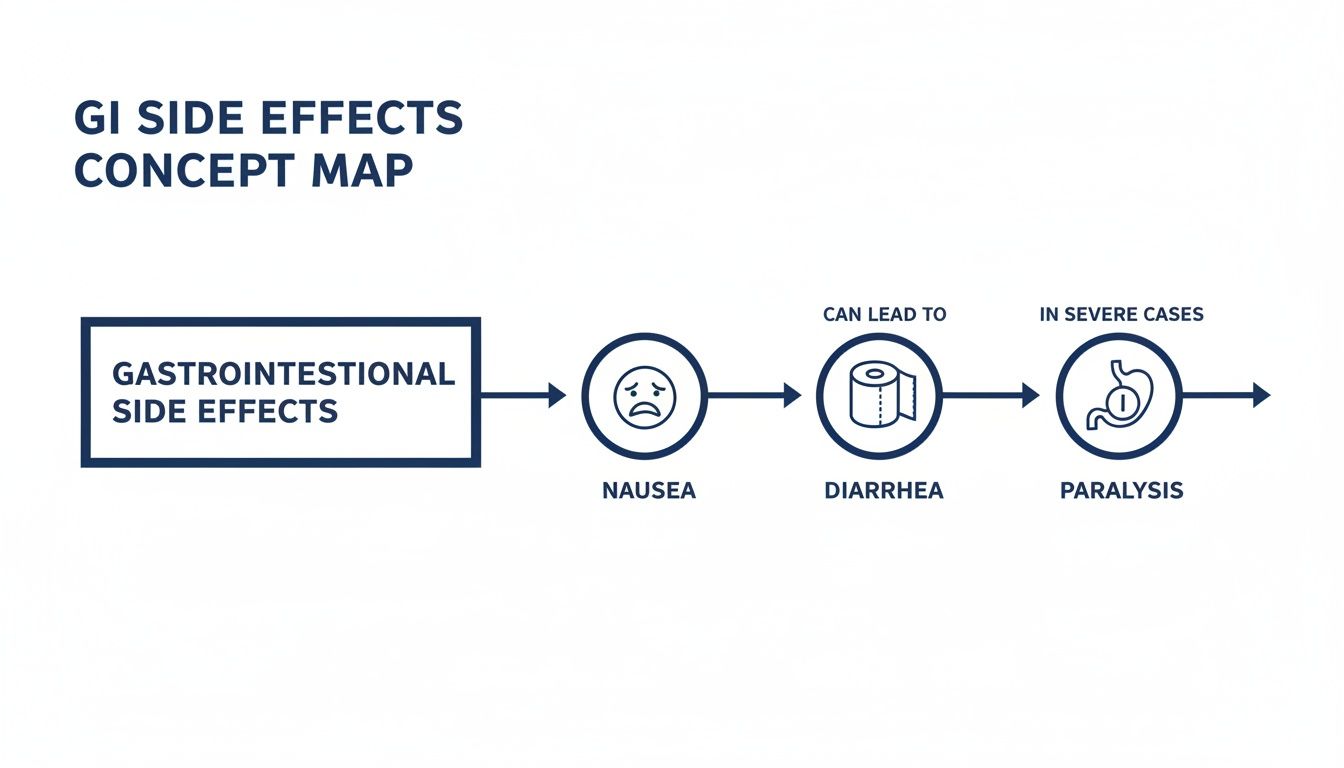
Thankfully, most people only deal with mild, temporary nausea. The key is to keep an open line of communication with your doctor about any symptoms that stick around.
The Link to Pancreatitis
Pancreatitis is, simply, an inflamed pancreas. This gland is crucial, producing both digestive enzymes and vital hormones like insulin. When it gets inflamed, it can cause a sudden, severe pain in your abdomen that might even wrap around to your back. While the overall risk is quite low, it's a serious medical event that needs immediate attention.
So, what's the connection? Rapid weight loss itself is a known factor that can sometimes stress the pancreas. It can change the chemical makeup of the bile your liver produces, making it more likely for Gallstones to form. If one of those stones happens to block the duct leading from the pancreas, it can trigger painful inflammation.
Gallbladder Disease and Gallstones
Your gallbladder is a small organ with a big job: storing bile. Gallbladder disease, often involving the formation of gallstones, is another potential long-term risk to be aware of. We’ve seen in clinical trials that these issues pop up more frequently in people taking GLP-1 medications than in those who aren't.
To put a number on it, some studies found that gallstones occurred in about 1.9% of users—a figure worth noting, especially for those planning on long-term use. The symptoms can feel a lot like pancreatitis: intense pain in the upper abdomen, fever, nausea, and vomiting. If you experience this, it's not the time to wait it out. Getting medical care quickly is essential to prevent more serious complications.
Your body is an expert at sending signals. Severe, unrelenting abdominal pain isn't something to just "power through." It’s a direct message to call a medical professional right away.
Understanding the Boxed Warning
You might have also heard about the "boxed warning" on semaglutide related to thyroid C-cell tumors. It’s critical to understand the context here. This warning stems from studies in rodents, which did show an increased risk.
While there have been some case reports in humans, a direct, established link in people is still being investigated. This is precisely why a detailed medical history is non-negotiable before starting any new prescription. Your doctor will specifically ask about any personal or family history of medullary thyroid carcinoma (MTC) or Multiple Endocrine Neoplasia syndrome type 2 (MEN 2). It's a screening step to ensure this medication is a safe and appropriate choice for you.
You can learn more about how we evaluate the full spectrum of potential side effects in our detailed article on GLP-1 medication side effects. This is where having dedicated medical oversight really makes a difference. At Blue Haven Rx, our licensed U.S. doctors conduct a meticulous review of your personal health profile and risk factors before a single prescription is written. Your safety is always the first priority.
Long-Term Effects on Kidneys, Vision, and Muscle Mass
When you think about a medication like semaglutide, your mind probably goes straight to its effects on digestion and appetite. But a truly comprehensive view of your health means looking beyond the obvious. It’s crucial to understand how this powerful tool can interact with other systems in your body over the long haul.
Let's dig into how GLP-1s might impact your kidneys, vision, and even your body composition. This isn't about causing alarm; it's about giving you the knowledge to work proactively with your doctor, ensuring your weight management journey supports your total well-being for years to come.

Protecting Your Kidneys Through Hydration
One of the more serious, though less common, risks to be aware of is acute kidney injury. That sounds scary, but it's typically not a direct effect of the medication itself. Instead, it’s often a secondary problem stemming from dehydration.
Here’s how it happens: if you experience severe or ongoing vomiting and diarrhea, your body can lose a massive amount of fluid. This dehydration lowers blood volume and reduces blood flow to the kidneys, making it much harder for them to do their essential job of filtering waste. For most people, this is a temporary issue that resolves, but if left unchecked, it can lead to more serious damage.
Think of water as the coolant for your body’s engine. Without enough of it, critical parts like your kidneys can struggle. Consistent hydration isn't just a good idea—it's one of the most powerful things you can do for your health on this medication.
Monitoring Vision Changes
If you have a history of diabetes—especially diabetic retinopathy—your eyes need extra attention. While rapidly improving your blood sugar is a fantastic outcome, this quick shift can sometimes temporarily worsen existing eye conditions. Proactive eye care is an absolutely essential part of your long-term wellness strategy.
Ongoing vomiting and diarrhea can lead to dehydration severe enough to cause acute kidney injury, so that's something to watch. At the same time, changes in blood sugar can impact vision, especially for those with pre-existing diabetic retinopathy. While some studies are looking into other potential eye-related issues, the evidence is not yet conclusive.
Preserving Muscle Mass During Weight Loss
One of the biggest pitfalls of any rapid weight loss journey is losing the wrong kind of weight. The goal is to shed fat, not your metabolically precious muscle. Because GLP-1 medications are so effective at curbing appetite, it's easy to under-eat and inadvertently sacrifice muscle tissue.
Losing muscle is a bad trade-off. It slows your metabolism, making it much easier to regain weight later. It also impacts your strength, stability, and overall energy—all cornerstones of healthy aging and longevity.
To avoid this, you have to be intentional. It's not just about eating less; it's about eating smarter. Here are some practical tips:
- Prioritize Protein: Every meal should have a solid source of protein. This gives your body the essential building blocks to maintain and repair muscle tissue.
- Integrate Strength Training: You need to send your body a clear signal to keep its muscle. Lifting weights, using resistance bands, or even doing bodyweight exercises 2-3 times per week is non-negotiable for healthy living.
Maintaining a healthy rate of weight loss is key to preserving muscle. You can learn more in our article about what a healthy rate of weight loss looks like.
At Blue Haven Rx, we don’t just prescribe medication; we guide you through a holistic approach to wellness. Our medical team is here to help you dial in your nutrition and exercise, ensuring your weight management is both healthy and sustainable for the long run.
A Proactive Approach to Managing Your Treatment Safely
Taking control of your health means more than just taking medication. It's about becoming an active, informed partner in your own care. When it comes to weight management, a successful journey depends on the smart, proactive steps you take to ensure your well-being every step of the way.
Think of it as a collaborative effort. By building a strong partnership with your healthcare provider and adopting a few key habits, you can significantly minimize risks and navigate any potential long-term side effects of Ozempic.
Starting Low and Going Slow
One of the best ways to keep side effects in check is the classic "start low, go slow" method for dosing. Your body needs time to get used to semaglutide, especially how it changes your digestion. Kicking things off with the lowest possible dose is like a gentle introduction.
Your doctor will then carefully increase your dose over several weeks or even months. This gradual ramp-up allows your system to adapt at a comfortable pace, which can make a huge difference in reducing common issues like nausea. For a closer look at what this schedule looks like, our guide on the standard Ozempic dosage chart breaks it all down.
Remember, never try to adjust your dose on your own. Your provider is creating a plan specifically for you, based on your body's unique response.
Simple Lifestyle Habits for a Safer Journey
Beyond the dosing schedule, a few simple tweaks to your daily routine can have a massive impact on how you feel. These strategies support your body and can help you sidestep common problems before they even start. Here are some practical tips:
- Stay Well-Hydrated: Getting dehydrated can make side effects like constipation much worse and, as we've seen, can put extra stress on your kidneys. Make it a point to sip water consistently all day.
- Eat Smaller, Nutrient-Rich Meals: Because semaglutide slows digestion, large, heavy meals can feel overwhelming. Try switching to smaller, more frequent meals packed with lean protein and fiber but lower in fat.
- Listen to Your Body’s Cues: Pay attention to how different foods make you feel. If you find that greasy or super-sugary foods leave you feeling crummy, that’s your body’s way of telling you to cut back. A simple food and symptom journal can be a game-changer here.
The cornerstone of a safe and successful outcome is the partnership between you and your provider. Open communication and consistent follow-up create a vital safety net, allowing for real-time adjustments that keep you healthy and on track.
Knowing When to Call Your Doctor
While most side effects are mild and manageable, some symptoms are red flags that demand immediate medical attention. Don't wait to contact your doctor if you experience any of these:
- Severe or persistent abdominal pain, which could signal a serious issue like pancreatitis or gallbladder problems.
- Prolonged vomiting or diarrhea that leaves you feeling dehydrated (think dizziness, dark urine).
- Any significant changes in your vision.
- Symptoms of a serious allergic reaction, like swelling of your face, lips, or throat, or trouble breathing.
This is exactly where a telehealth service like Blue Haven Rx becomes so valuable. Having 24/7 access to licensed healthcare professionals means you’re never navigating this alone. Regular check-ins and the ability to ask questions anytime give you a safety net and ensure your treatment is always optimized for you.
Your health is a journey, not a destination. To learn more about how our medically supervised programs can support you, take our quick quiz to see if you qualify.
Your Partner for a Healthier Future
We've covered a lot of ground on the potential long-term side effects of GLP-1s. The goal isn't to scare you, but to empower you with knowledge. The reality is, many people use these medications safely and see incredible improvements in their health, setting the stage for a longer, more vibrant life.
The best results always come from a smart, medically supervised plan—one that doesn't just rely on a prescription but also weaves in healthy lifestyle habits.
Think of it this way: achieving and maintaining a healthy weight is a marathon, not a sprint. It takes patience, consistency, and a solid support system. When you understand both the benefits and the potential risks, you become an active partner in your own healthcare. You can make informed choices that protect your well-being for the long haul. That proactive mindset is what truly leads to lasting success and longevity.
Your Journey Starts with Expert Guidance
For truly sustainable health, you need a plan that looks at the whole picture, not just the number on the scale. This means fueling your body with nutrient-dense foods, building strength with consistent exercise, and working with a medical team that gets you.
This is exactly where a dedicated program can change everything. At Blue Haven Rx, we pair powerful medications like GLP-1 therapies with the expert medical oversight necessary to use them safely and effectively. Our approach is about more than just weight loss; we focus on total wellness and healthy aging, even incorporating therapies like NAD+ to support health at a cellular level. We're here to help you build a foundation of healthy habits that will serve you for a lifetime.
Lasting change is built on a partnership between you and a trusted medical team. It's about having guidance you can count on as you navigate the ups and downs of your health journey.
If you’re ready to take the next step with a team of licensed U.S. doctors who are genuinely invested in your success, we're here for you. To see how Blue Haven Rx’s science-backed program can fit into your personal health journey, we invite you to start with our simple quiz today.
Frequently Asked Questions
When you're starting a new medication like a GLP-1, it's natural to have a lot of questions. Let's walk through some of the most common ones we hear from patients about using semaglutide for the long haul.
Is It Safe to Stay on Semaglutide Indefinitely?
This is a conversation you'll have with your doctor, but the short answer is that these medications are designed for long-term use. Think of it like managing high blood pressure or high cholesterol—weight management is often a chronic condition that benefits from ongoing treatment.
Your provider will be your partner in this, constantly checking in on your progress, how you're feeling, and your overall health. The goal is to make sure the benefits of staying on the medication always outweigh any potential risks, adjusting the plan as you go to support your wellness and longevity goals.
Do the Long-Term Side Effects of Ozempic Worsen Over Time?
Actually, the opposite is usually true. Most of the common side effects, especially things like nausea, tend to get much better or disappear entirely as your body gets used to the medication. Most people find they hit their stride and feel their best after the first few months.
That said, some risks, like potential gallbladder issues, can be linked to either long-term use or even just the process of rapid, significant weight loss. This is exactly why staying connected with your doctor is so crucial. Regular check-ins with your Blue Haven Rx provider mean we can keep a close eye on your health and catch any new or changing symptoms right away.
What Happens if I Stop Taking Semaglutide?
Because GLP-1s work by managing your body's hunger signals and blood sugar, stopping the medication means those signals will likely return. For many people, this leads to a rebound in appetite and, often, weight regain.
This medication is a tool that creates a window of opportunity. It gives you the breathing room to build new, healthier habits around food and movement that can stick with you for life.
Our goal at Blue Haven Rx isn't just about the medication; it's about helping you use that window to build a foundation for lasting success and healthy living, whether you stay on the medication or not.
Are Women Over 45 at a Higher Risk for Side Effects?
Your life stage definitely plays a role. Factors like age and the hormonal changes of perimenopause can change how your body processes everything, including medication. For example, some women in this stage already deal with slower digestion, and a GLP-1 could potentially make that more noticeable.
This is precisely why a one-size-fits-all approach just doesn't work. A thorough, personalized medical assessment is non-negotiable. The licensed doctors at Blue Haven Rx take your entire health profile into account—including your age and hormonal status—to make sure your treatment plan is not only effective but, most importantly, safe for you.
Your health journey deserves expert, personalized guidance. At Blue Haven Rx, our licensed medical team is dedicated to providing safe, effective weight management solutions that fit your life.
Ready to learn more? Take our simple quiz to get started today!