
A Practical Guide to Managing Constipation From GLP-1 Medications
Feeling backed up while taking a GLP-1 medication is a common experience, and thankfully, it's usually manageable. It can be frustrating, but this digestive slowdown is a sign that the medication is doing its job—helping you feel fuller for longer, which is a key reason it works so well for weight management.
Understanding why this happens is the first step toward getting things moving again and feeling your best.
Your Guide to Managing GLP-1 Side Effects
If you've started a GLP-1 medication like semaglutide, you've taken a significant step toward your health and longevity goals. These medications are a game-changer for so many people on their weight management journey, but they can cause some gastrointestinal issues. Constipation is often at the top of that list, so know that you're not alone.
Think of this guide as your trusted resource. We'll break down why this happens and give you practical, actionable steps to feel more comfortable and stay on track. Getting a handle on your body's response is key to making this healthy living journey a long-term success.
Why This Side Effect Is So Common
The reason you might be constipated is directly tied to the very mechanism that makes these medications so effective for weight loss. GLP-1s slow down the rate at which food moves out of your stomach, a process known as delayed gastric emptying.
This is fantastic for appetite control because it keeps you feeling satisfied for hours after a meal. The trade-off is that it also slows down your entire digestive tract. When things move more slowly, your intestines have more time to absorb water from your stool, which can make it harder and more difficult to pass.
It’s a sign the medication is working as intended. To dive deeper into the specifics, you might find it helpful to read our article exploring if Semaglutide is the same as Ozempic.
Remember, constipation isn't a red flag that something is wrong. It’s an expected side effect of the medication's core function. Once you understand that, you can proactively manage it without disrupting your weight management progress.
Let's quickly recap the main culprits behind GLP-1-related constipation.
Key Factors Contributing to Constipation on GLP-1s
This table breaks down the primary reasons you might be feeling backed up while using medications like Semaglutide.
| Factor | How It Contributes to Constipation |
|---|---|
| Delayed Gastric Emptying | The medication slows down how quickly food leaves your stomach, which also slows the entire digestive process. |
| Reduced Food & Water Intake | Feeling full often leads to eating and drinking less, resulting in less bulk and fluid to help stool pass easily. |
| Hormonal Effects on Gut | GLP-1 receptors in the gut are directly affected, leading to reduced motility (the muscle contractions that move waste along). |
Seeing it laid out like this can help clarify that it's not just one thing, but a combination of factors working together on your journey to healthy living.
Putting the Numbers in Perspective
It often helps to know just how common this is. Credible research has shown that constipation is a frequent side effect for people using semaglutide for weight loss.

Here's what the data tells us:
- In clinical trials for weight management, constipation rates can be as high as 24-35%.
- This is a significant increase from the rates seen in populations using the medication for other conditions.
- Even so, very few people stop their treatment because of side effects. This suggests that with the right strategies, most people find it to be a manageable part of the process.
This data shows that while constipation is a common hurdle, it's one that most people can overcome. Our goal is to give you the confidence and the tools to do just that, making your path to better health and longevity as smooth as possible.
The Science Behind Semaglutide and Digestion
To get a handle on why you might be dealing with constipation from GLP-1s, it helps to understand how these impressive medications work their magic. The constipation you're feeling is a sign that the medication is doing exactly what it's supposed to for your weight management.
Imagine your digestive system as a busy highway. Your GLP-1 medication acts like a traffic controller, intentionally slowing down the cars—in this case, the food leaving your stomach. This process is called delayed gastric emptying.
This slowdown is a huge plus for your health journey. It’s the reason you feel full and satisfied long after a meal, which naturally helps you eat less and supports your weight management goals. But that same traffic-slowing effect doesn't just stop at your stomach; it continues throughout your entire digestive tract.
How Slow Digestion Leads to Constipation
As everything moves through your system at a more relaxed pace, your large intestine gets extra time to do one of its main jobs: absorb water from your stool. The longer the stool lingers in the colon, the more water gets pulled out.
The result? Stools that are harder, drier, and more difficult to pass—the very definition of constipation. It's a direct trade-off for the fantastic appetite-suppressing benefits of the medication. Seeing this connection helps reframe the side effect not as a problem, but as a manageable part of a highly effective weight management process. You can learn more about how GLP-1s work for weight loss in our complete guide.
The key takeaway is this: Constipation isn't a sign that something is wrong. Instead, it’s a physical confirmation that the medication is actively working to regulate your appetite and digestion for better health outcomes.
This is the core reason behind GLP-1-induced constipation. Clinical data shows that constipation affects a significant percentage of patients, and that number can be higher when you're just starting the medication or moving up to a higher dose.
The Role of Secondary Factors
Delayed gastric emptying is the main driver, but it’s rarely the only thing at play. Your body's response to the medication can create a perfect storm where other issues make things even more sluggish.
Two other major contributors often join the mix:
- Reduced Appetite and Nausea: Nausea is a very common side effect. When you feel queasy, you’re probably not reaching for a big salad or a bowl of oatmeal. Instead, you might opt for simpler, low-fiber foods. A smaller appetite also means less food overall, which translates to less bulk to form stool.
- Lower Fluid Intake: It’s simple—when you eat less, you often drink less. Dehydration is a leading cause of constipation all on its own. When you combine that with slower digestion, the problem can get significantly worse.
These secondary factors are just as important to manage as the primary mechanism. By understanding how all these pieces fit together, you can build a more complete plan to keep your digestive system running smoothly while you continue on your path to a healthier life.
Practical Dietary Strategies for Digestive Relief
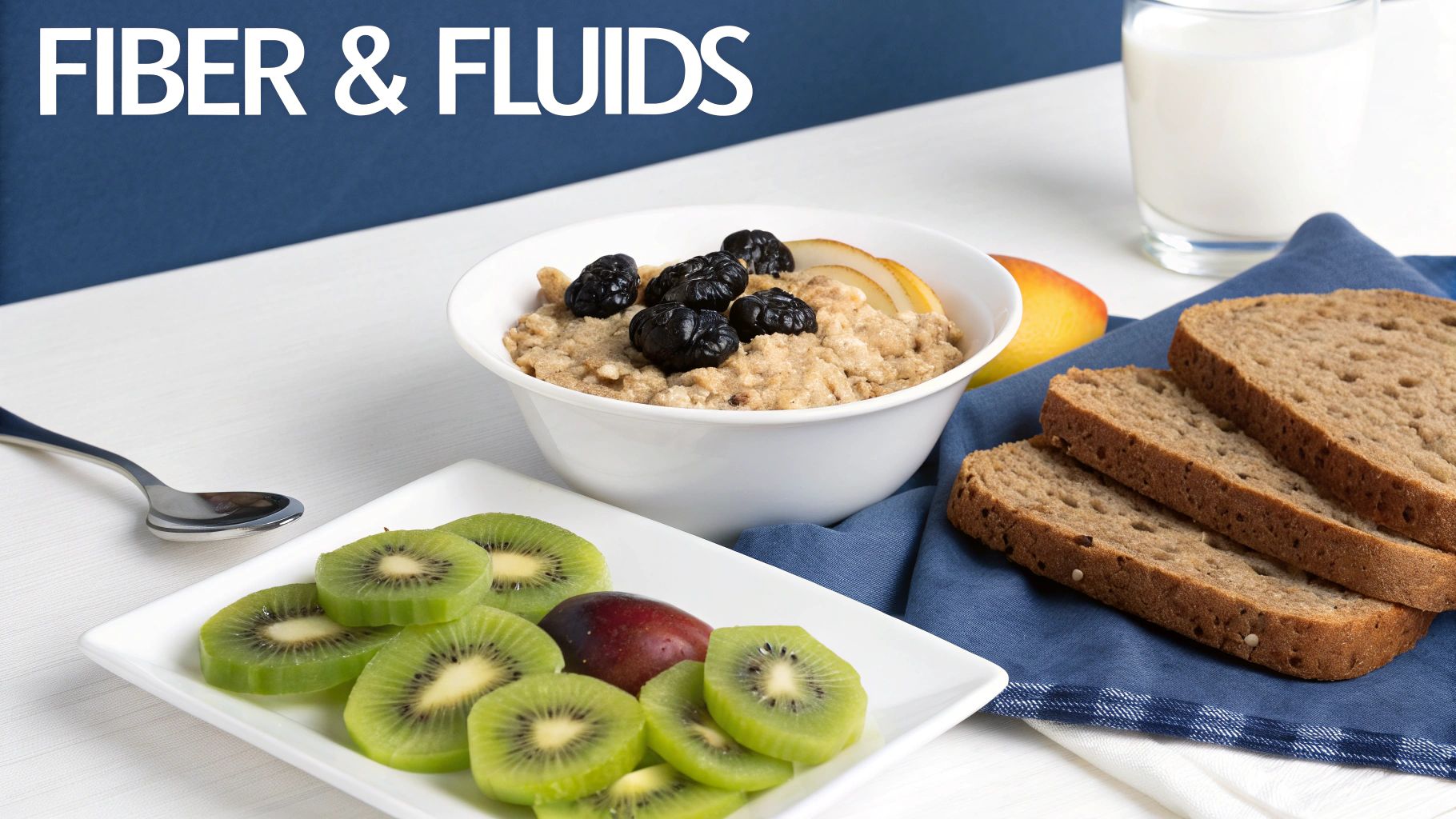
When your system slows down on a GLP-1, your diet becomes your most powerful tool for getting things moving again. The good news is that you don't need a restrictive or complicated plan. Simple, consistent changes to what you eat and drink can make all the difference for your wellness journey.
It’s all about being mindful and intentional. We're not talking about exotic superfoods, but rather focusing on three foundational pillars: fiber, fluids, and strategic food choices. Small, practical tips in these areas will help counteract the medication's slowing effect and keep you feeling comfortable.
The Power of Fiber
Fiber is the MVP of a healthy gut. It adds much-needed bulk to your stool, which makes it softer and easier to pass. Knowing the difference between the two main types will help you build a more effective game plan for healthy living.
- Soluble Fiber: This type dissolves in water, creating a gel-like consistency. Think of it as a sponge that soaks up water to soften everything. You’ll find it in oatmeal, apples, citrus fruits, carrots, and beans.
- Insoluble Fiber: This is the "roughage" that doesn't dissolve. It acts like a broom, sweeping through your digestive tract to add bulk and keep things moving. Whole grains, nuts, leafy greens, and vegetables like cauliflower are packed with it.
The real magic happens when you get a good mix of both. Just be sure to increase your intake gradually; adding too much fiber at once can backfire with gas and bloating. Try adding one new high-fiber food every few days to give your system time to adjust.
Hydration Is Non-Negotiable
Here’s the thing about fiber: it's a team player, and it can't do its job without its partner, water. In fact, loading up on fiber without also drinking more fluids can make constipation worse. The fiber needs water to swell up and create that soft, bulky stool we're aiming for.
Without enough liquid, all that extra fiber can turn into something resembling cement in your gut. Proper hydration is what keeps the whole system flowing smoothly.
Aim for at least eight 8-ounce glasses of water or other clear liquids throughout the day. This simple habit is one of the most effective ways to support your digestive system, especially while taking a GLP-1 medication.
Struggling to get enough? Try these practical tips:
- Keep a reusable water bottle with you at all times.
- Start your day with a big glass of water before you do anything else.
- Sip on herbal teas or clear broths—they count!
- Eat your water! Foods like cucumber, celery, and watermelon are packed with H2O.
Gut-Friendly Foods to Add to Your Diet
Beyond the basics of fiber and water, some foods are naturally gifted at promoting gut motility. Weaving these into your daily meals can give your digestive system an extra nudge in the right direction.
Think about adding a few of these power-hitters to your rotation:
- Prunes: This classic remedy works for a reason. Prunes have both fiber and sorbitol, a natural sugar alcohol that acts as a gentle laxative.
- Kiwis: This little green fruit is a powerhouse of fiber and enzymes that can help get your bowels moving.
- Magnesium-Rich Foods: Magnesium is fantastic because it helps draw water into the intestines and relaxes the intestinal muscles. You can find it in almonds, spinach, and avocados.
- Fermented Foods: Foods like yogurt and kefir are full of beneficial probiotics that contribute to a healthy gut microbiome, which is crucial for regular digestion.
Making these choices shouldn't feel like a chore. For more structured help, exploring some high-fiber meal prep ideas for gut health can make consistency a breeze.
Lifestyle Habits and Gentle Over-the-Counter Aids
Beyond what’s on your plate, a few key lifestyle habits and gentle aids can make a world of difference when you’re dealing with constipation from GLP-1s. Think of it as a complete toolkit for digestive comfort—one that includes movement, stress management, and, when needed, a little help from the pharmacy.
By layering these strategies on top of your dietary changes, you create a powerful approach to counteract the digestive slowdown. It's all about building a sustainable routine that helps your body thrive while you stay focused on your weight management and longevity goals.
The Gentle Power of Movement
You don't need to run a marathon to get your bowels moving. Gentle, consistent activity is one of the most effective ways to nudge your digestive system back into rhythm. It's like a natural internal massage for your intestines, helping to push things along.
Regular movement boosts blood flow to your entire GI tract and encourages the natural muscle contractions—a process called peristalsis—that are essential for moving stool through your colon. Even something as simple as a brisk 20-30 minute walk each day can be incredibly effective.
The goal here is consistency, not intensity. A short walk after dinner or a gentle morning stretch routine can awaken your digestive system and become a cornerstone of your long-term wellness and healthy living plan.
Managing the Gut-Brain Connection
The link between your brain and your gut is incredibly strong. When you're stressed or anxious, the muscles in your digestive tract can tense up, making constipation worse. Taking time to relax isn't an indulgence; it's a crucial part of your health strategy.
A few simple stress-management techniques can help relax your digestive system:
- Deep Breathing: Just five minutes of slow, deep belly breathing can calm your nervous system and, by extension, your gut.
- Mindful Moments: Step away from the screens. Taking a few minutes to simply focus on your surroundings can lower stress hormones that interfere with digestion.
- Consistent Sleep: Aiming for 7-8 hours of quality sleep each night is fundamental for regulating all of your body's systems, including digestion.
When you manage stress, you're directly supporting your body's ability to maintain a healthy digestive rhythm. That’s vital for both your immediate comfort and your long-term weight management success.
Choosing a Gentle Over-the-Counter Aid
While lifestyle changes are your first and best line of defense, sometimes you need a little extra help. The over-the-counter aisle can be overwhelming, so it’s important to understand your options. Of course, always chat with your healthcare provider before starting any new product.
Here’s a quick rundown of the most common gentle options:
- Stool Softeners: Products like docusate sodium (Colace) work by drawing more water directly into the stool, making it softer and easier to pass. They’re a great starting point because they're gentle and don't typically cause cramping.
- Osmotic Laxatives: Options like polyethylene glycol (MiraLAX) or magnesium citrate pull more water into the colon itself. This influx of fluid helps stimulate a bowel movement.
- Fiber Supplements: Psyllium husk (Metamucil) and methylcellulose (Citrucel) are bulk-forming laxatives. They act much like dietary fiber, absorbing water to create a softer, bulkier stool. Just remember, you must drink plenty of water with these, or they can make constipation worse.
Comparing Gentle Over-the-Counter Constipation Aids
To make things clearer, this table compares some of the most common gentle options. Remember, this is for your information only—always consult with your provider at Blue Haven Rx before taking anything new.
| Type of Aid | How It Works | Best For | Considerations |
|---|---|---|---|
| Stool Softeners | Draws water into the stool to make it softer. | Preventing straining and for mild, occasional constipation. | Generally gentle for short-term use. Doesn't stimulate a bowel movement directly. |
| Osmotic Laxatives | Pulls water into the colon to increase fluid and prompt a bowel movement. | Predictable relief from moderate constipation. | Can cause bloating or gas. Staying well-hydrated is crucial. |
| Fiber Supplements | Adds soluble and insoluble bulk to stool, absorbing water to soften it. | Daily maintenance and long-term regularity. | Must be taken with plenty of water. Increase dose slowly to avoid gas. |
Making an informed choice with your provider is the best way to manage constipation effectively. This allows you to stay focused on the positive results of your health journey. If you have questions, our team at Blue Haven Rx is here to help.
To start your own personalized journey, take our quiz to learn more.
When You Should Talk to Your Healthcare Provider

The lifestyle and diet tips we’ve covered are fantastic first-line defenses, but it’s crucial to know when constipation has moved beyond a simple at-home fix. You know your body best, and recognizing when to ask for help is a sign of being actively involved in your own health.
Most of the time, constipation from a GLP-1 is mild and manageable. But sometimes, your body sends up "red flags" that signal it's time to check in with a medical professional. Paying attention to these signs is the best way to get the right help when you need it for your long-term wellness.
Recognizing Red Flag Symptoms
If your symptoms feel severe or just won't go away, that’s your body telling you it needs more support. Don’t hesitate to reach out to your provider if you’re dealing with any of these issues while on your GLP-1 medication.
- Severe Abdominal Pain or Cramping: A little bloating is one thing. Sharp, relentless pain that doesn't let up is another entirely and needs a professional opinion.
- No Bowel Movement for Several Days: If you've tried the usual remedies and it's been more than three to four days since your last bowel movement, it's time to make the call.
- Blood in Your Stool: This is a symptom you should never ignore. It doesn't matter if the blood is bright red or looks dark and tarry—it warrants an immediate talk with a doctor.
- Unexplained Vomiting: When nausea and vomiting team up with constipation, it can point to a more serious problem that needs to be properly diagnosed.
- Inability to Pass Gas: This is a major warning sign, especially when it comes with bloating and no bowel movements. It could indicate a blockage and requires urgent medical attention.
Your comfort and safety are always the top priority. These aren't symptoms you should just "wait out." Getting professional guidance is the smartest and safest thing you can do for your health.
Getting a full picture of what to expect is key. For more credible health insights, you can explore our in-depth guide on managing GLP-1 medication side effects.
The Convenience of Telehealth Support
Getting medical advice used to mean booking an appointment and sitting in a waiting room. Thankfully, things have changed, and getting the support you need is now much more straightforward.
At Blue Haven Rx, we believe expert guidance should be right at your fingertips. Our telehealth platform connects you directly with experienced medical professionals from your own home. You can talk through your symptoms, get answers, and receive personalized advice without the usual hassle.
This direct access to our team is a fundamental part of our program. It means you’re never left wondering how to handle side effects like constipation. We’re here to help fine-tune your plan, recommend the right solutions, and give you the confidence to continue your weight management journey.
Knowing you have a team behind you makes all the difference. If you're looking for a partner in your health who provides continuous, personalized care, it's easy to start your journey with Blue Haven Rx.
We're Here to Support You on This Journey
Dealing with constipation from a GLP-1 can feel like a frustrating detour, but it’s a common and very manageable part of the process. As we've covered, simple adjustments to your diet, water intake, and daily movement can make a world of difference. Remember, this journey is about more than just a medication—it's about building a foundation for sustainable, long-term health and longevity.
At Blue Haven Rx, we see ourselves as your dedicated partners. We’re not just here to provide a prescription; we’re here to help you navigate the bumps in the road, adjust your plan as needed, and overcome any challenges that pop up. That kind of comprehensive support is what leads to real, lasting results.
Looking at the Bigger Picture
True wellness means looking at your health from all angles. While you're focusing on getting your digestion back on track, it’s also a great time to explore complementary natural strategies for blood sugar management. Integrating these kinds of healthy habits creates a powerful ripple effect, benefiting your metabolic health and digestive comfort.
Your success comes down to two things: consistent daily habits and open, honest communication with your healthcare team. Our job is to give you the tools, expert guidance, and care you need to feel your absolute best.
We’ve designed our program to empower you with both the knowledge and the support you need for every single step. We truly believe in a partnership, where your goals for healthy living become our goals.
If you’re looking for a provider that’s committed to your entire wellness journey—from powerful treatments like our GLP-1 program to the ongoing lifestyle guidance that makes it all work—we’re ready to help.
Ready to take the next step? Take our quiz to see if our program is the right fit for you and start your personalized path to better health today.
Quick Answers to Common Questions About GLP-1s and Constipation
Let's tackle some of the most frequent questions people have when navigating constipation on GLP-1 medications.
How Long Does Constipation From GLP-1s Last?
For many, constipation is most noticeable right after starting the medication or when you increase your dose. The good news is that it often gets better on its own within a few weeks as your body adjusts.
That said, for some people, it can stick around as a persistent side effect. This is where those ongoing diet and lifestyle strategies we talked about become so important for your long-term wellness. If it's severe or just not letting up, it’s a clear sign to talk to your healthcare provider.
Can I Take a Daily Fiber Supplement?
Absolutely. For most people, a daily fiber supplement like psyllium husk can be a safe and effective tool. The trick is to start small and increase your intake slowly, giving your digestive system time to adjust.
But here’s the most important part: you have to drink a lot of water with it. Without enough fluid, fiber supplements can backfire and make constipation worse. It's always a good idea to check in with your Blue Haven Rx provider before adding any new supplement to your routine.
A quick reminder: supplements are there to supplement a healthy diet, not replace it. The best long-term results will always come from getting fiber from whole foods like fruits, veggies, and whole grains.
Will Lowering My Dose Help With Constipation?
It might. Since the side effects of GLP-1s can be dose-dependent, a lower dose sometimes eases digestive issues.
However, and this is critical, you should never change your medication dosage on your own. Always talk to your prescribing physician first. Discuss your symptoms with your provider here at Blue Haven Rx. They are the ones who can help determine if a dose adjustment makes sense or if you should focus on other management strategies.
Are There Any Specific Foods I Should Avoid?
There isn’t a list of foods you have to "absolutely avoid," but some things can make constipation worse, especially if you're already struggling. Think highly processed foods, large servings of red meat, fried foods, and refined carbs like white bread and pasta.
It's less about strict rules and more about shifting your focus. Prioritizing a balanced diet packed with fiber-rich whole foods is what will truly support not just your digestive health, but your overall weight management and longevity goals.
At Blue Haven Rx, we're committed to supporting you on every step of your health journey. If you're looking for a team that provides personalized care and expert guidance, we're ready to help you start your journey toward healthy living.