
How to Lose Weight with PCOS: A Practical Guide for Lasting Results
Losing weight with Polycystic Ovary Syndrome (PCOS) isn’t about following generic diet and exercise advice. The real key is tackling the root cause: the underlying hormonal imbalances. To do that, you need a smart combination of a low-glycemic diet, consistent exercise that includes both strength and cardio, and solid stress management techniques. This guide will provide actionable insights to help you manage your weight and invest in your long-term health.
Why Weight Loss with PCOS Is a Unique Challenge
If you’ve ever felt like losing weight with PCOS is an impossible, uphill battle, you’re not imagining things. It’s not about a lack of willpower; it’s about your biology. Your body is dealing with a unique set of hormonal hurdles that can make traditional weight loss methods feel completely ineffective and incredibly frustrating.
PCOS is far more than a reproductive health issue—it’s a complex metabolic and hormonal condition. Understanding why your body is resisting weight loss is the first and most critical step toward finding a strategy that will finally work for you. Let's get past the simplistic "eat less, move more" mantra and dig into the real reasons behind the struggle.
The Central Role of Insulin Resistance
At the very heart of PCOS-related weight challenges is a condition called insulin resistance. Think of insulin as the key that unlocks your cells to let in glucose (sugar) for energy. When you have insulin resistance, your cells don't respond to that key properly.
This resistance forces your pancreas to work overtime, pumping out more and more insulin to get the job done. The result is chronically high insulin levels, a state known as hyperinsulinemia, which sends a very loud and clear signal to your body: store fat. This is especially true for fat around the abdomen.
This biological process creates a frustrating cycle:
- Intense Cravings: High insulin can cause your blood sugar to crash, triggering powerful cravings for sugary and high-carb foods.
- Increased Fat Storage: Your body is essentially stuck in "fat-storage mode," making it incredibly difficult to burn existing fat for fuel.
- Constant Hunger: The hormonal signals can leave you feeling hungry and unsatisfied even after a full meal, which often leads to overeating.
This is exactly why just cutting calories often backfires for women with PCOS. It fails to address the core hormonal driver telling your body to hold onto every pound.
Hormonal Imbalances and Your Metabolism
Beyond insulin, other hormonal imbalances common in PCOS directly impact your metabolism and weight. Women with PCOS often have elevated levels of androgens—sometimes called "male hormones" like testosterone. While everyone has androgens, high levels in women contribute to central obesity, which is the accumulation of fat around the midsection. This type of fat is notoriously stubborn and is linked to other serious health concerns.
This hormonal environment not only encourages fat storage but can also make it harder to build and maintain lean muscle, which is a key driver of a healthy metabolism. Given these factors, it's no surprise that research shows between 40% and 85% of women with PCOS struggle with overweight or obesity. It's also why it's a good idea to understand the signs of metabolic syndrome, as it often goes hand-in-hand with these challenges.
The good news is that even a modest weight loss of just 5% to 10% can significantly improve insulin sensitivity, help regulate menstrual cycles, and reduce other PCOS symptoms. This makes finding an effective weight management strategy a vital part of your long-term health and longevity.
Ultimately, successful weight loss with PCOS means working with your body's unique hormonal state, not against it. It demands a personalized strategy focused on balancing blood sugar, reducing inflammation, and managing the specific hormonal drivers at play. Once you grasp the "why," you can finally focus on the "how," which we’ll cover in the next sections.
Building Your PCOS-Friendly Nutrition Plan
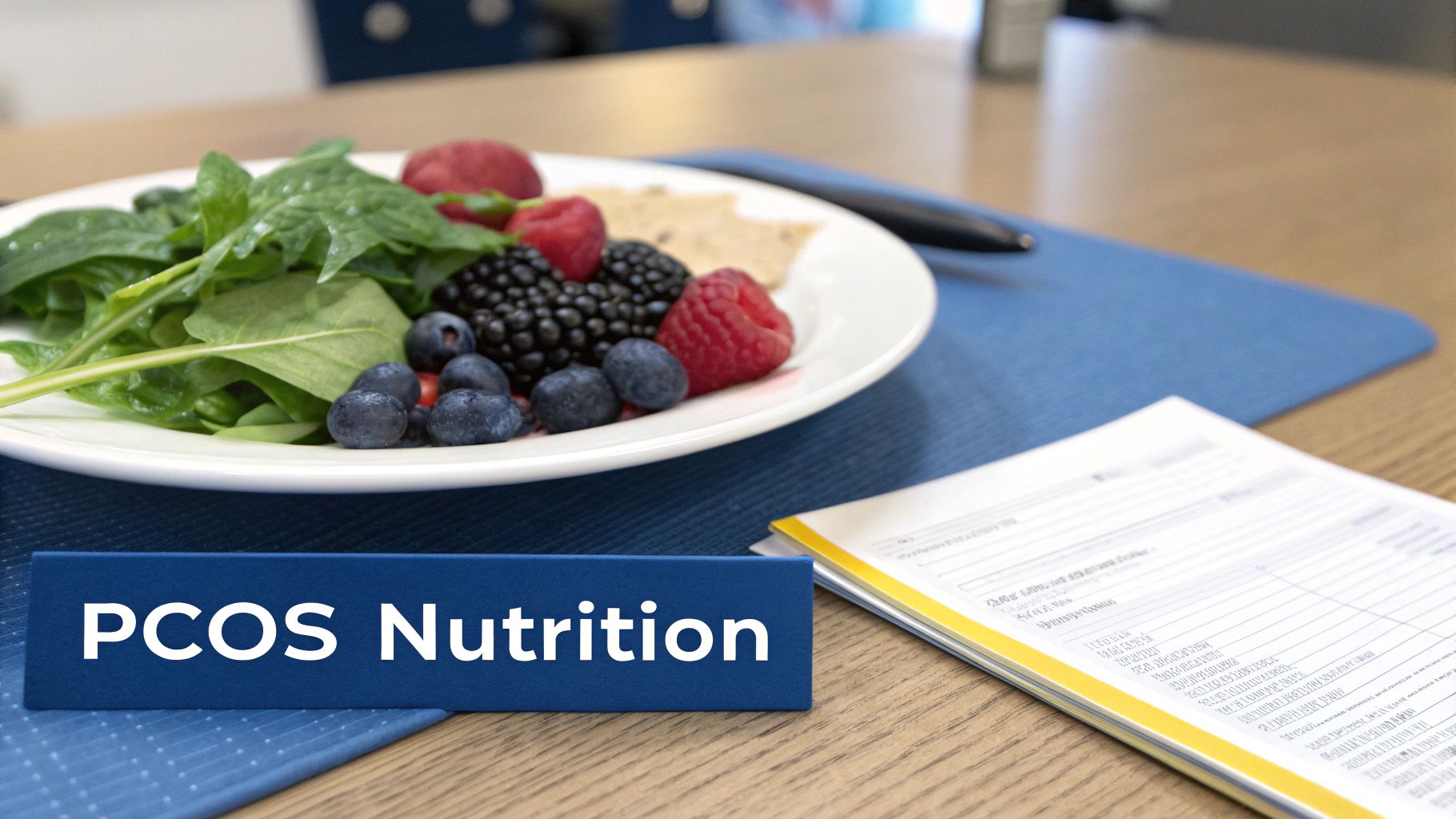
If you have PCOS, the grocery store can feel overwhelming. With so much conflicting advice online, it’s easy to feel lost. But let’s clear the air: the best approach isn’t about extreme restriction. It’s about learning to nourish your body with foods that help stabilize your blood sugar and get your hormones back on your side for better weight management and healthy living.
At its core, a PCOS-friendly diet is all about managing insulin resistance. When you choose the right foods, you can head off those sharp spikes and crashes in blood sugar that trigger intense cravings and tell your body to store fat. It’s about creating a stable internal environment where weight management feels achievable, not like a constant, uphill battle.
Prioritizing Low-Glycemic Foods
The glycemic index (GI) is a useful tool for understanding how different carbs impact your blood sugar. High-GI foods, like white bread or sugary cereals, break down fast, causing a surge in blood glucose and insulin. On the other hand, low-GI foods digest slowly, giving you a much gentler, more sustained release of energy.
Focusing your diet around low-glycemic foods is one of the most effective things you can do to manage PCOS and encourage weight loss. It helps you stay full and satisfied, reduces cravings, and helps your body switch from storing fat to burning it.
And there’s solid research to back this up. One 24-week clinical study was particularly revealing. It found that women with PCOS on a low-calorie, low-glycemic diet achieved nearly identical weight loss to women without PCOS. They lost an average of 5.1 ± 2.7 kg, and a remarkable 68.5% of the women with PCOS lost more than 5% of their starting weight. This shows how powerful targeted dietary changes can be.
Building a Balanced Plate
Putting together a balanced meal is simpler than you might think, and you don’t need to obsessively count every calorie. A great rule of thumb is to make sure every meal has a solid mix of protein, healthy fats, and fiber-rich carbs. This trio is the secret to slowing down digestion and keeping your blood sugar steady for better long-term health.
Here’s what to aim for on your plate:
- Lean Protein: Think chicken, fish, eggs, and legumes. Protein is essential for building muscle, which naturally boosts your metabolism. It also keeps you feeling full, a game-changer for preventing overeating.
- Healthy Fats: Don't fear fat! Foods like avocado, nuts, seeds, and olive oil are your friends. They help fight inflammation and are crucial for producing hormones. Plus, they contribute to that satisfying feeling of fullness.
- High-Fiber Carbohydrates: Instead of cutting carbs completely, just be smarter about them. Go for whole grains like quinoa, non-starchy veggies like broccoli and leafy greens, and beans. Fiber slows down how quickly sugar is absorbed and keeps your gut happy.
A sustainable mindset is to focus on what you can add to your plate—more protein, more fiber, more healthy fats—instead of obsessing over what to cut out.
For many, emotional eating or bingeing can be a hurdle. If you find yourself in a cycle of overeating, learning effective ways to stop binge eating can provide practical strategies to help you regain control and support your health goals.
Sometimes, a few simple swaps can make a huge difference in managing your blood sugar throughout the day.
PCOS-Friendly Food Swaps for Better Blood Sugar
| Instead of This | Try This PCOS-Friendly Alternative | Why It Helps |
|---|---|---|
| White Rice | Quinoa or Cauliflower Rice | Higher in fiber and protein, lower glycemic index. |
| Sugary Cereal | Oatmeal with Berries and Nuts | Provides slow-release energy and fiber to keep you full. |
| Potato Chips | Handful of Almonds or a Veggies with Hummus | Offers healthy fats and protein for better satiety. |
| White Bread Sandwich | Whole-Grain Bread or Lettuce Wrap | Reduces refined carbs and adds a boost of nutrients. |
| Sweetened Yogurt | Plain Greek Yogurt with a Few Berries | Cuts out added sugar while providing a great source of protein. |
These small changes add up, helping you manage insulin levels without feeling deprived.
Fighting Inflammation with Food
Chronic, low-grade inflammation is another hallmark of PCOS that can worsen insulin resistance and weight gain. The good news is that your diet can be a powerful anti-inflammatory tool. Loading up on the right foods can help calm your system and support your overall hormonal health and longevity.
Try to get more of these inflammation-fighters into your routine:
- Fatty Fish: Salmon, mackerel, and sardines are packed with omega-3 fatty acids.
- Leafy Greens: Spinach, kale, and collards are antioxidant powerhouses.
- Berries: Blueberries, strawberries, and raspberries are delicious and fight inflammation.
- Nuts and Seeds: Almonds and walnuts are fantastic sources of healthy, anti-inflammatory fats.
Making these kinds of nutritional adjustments is one of the best things you can do for your PCOS symptoms. You can also dive deeper and learn more about how to reduce insulin resistance naturally with these and other lifestyle strategies.
Finding Movement That Supports Your Hormones
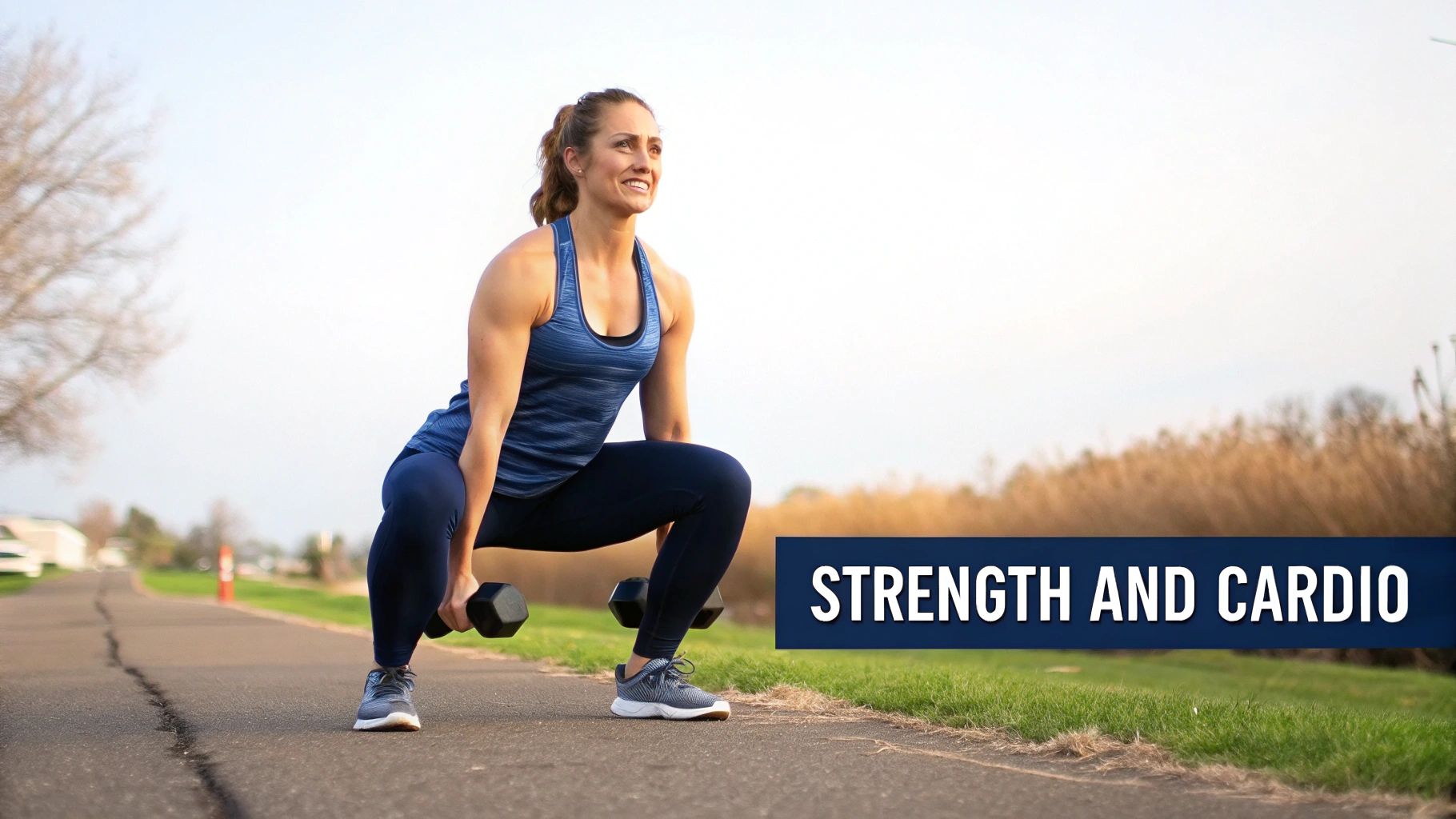
When it comes to exercise and PCOS, the conversation can get confusing. You've probably been told to just "exercise more," but that advice falls flat when you realize that not all movement is created equal—especially when hormones are involved.
The goal isn't to punish your body with grueling workouts. In fact, that can often backfire. The secret is finding movement that works with your unique physiology to balance your hormones for better weight management. This means focusing on activities that improve insulin sensitivity and help you manage stress, two of the biggest hurdles for women with PCOS.
Building Muscle to Boost Your Metabolism
Let’s talk about your most powerful ally in this journey: strength training. Lifting weights, using resistance bands, or even your own body weight helps build lean muscle. This is a game-changer for PCOS and for healthy aging.
Why? Because muscle is far more metabolically active than fat. The more muscle you have, the more calories your body burns, even when you're resting.
More importantly, muscle tissue acts like a sponge for blood sugar. When you strength train, you increase your body's ability to pull glucose out of the bloodstream, which directly improves insulin sensitivity. This helps prevent the drastic blood sugar spikes that drive cravings and fat storage.
Getting started doesn't have to be intimidating. Here are some practical tips:
- Dumbbell workouts: Focus on compound movements (squats, lunges, overhead presses) that engage multiple muscle groups.
- Resistance bands: A fantastic, low-impact way to build strength from the comfort of your own home.
- Bodyweight exercises: Planks, glute bridges, and modified push-ups are perfect for building a strong foundation.
The key here is consistency, not intensity. A solid goal is 30 minutes of strength training, three times a week. This is a great starting point for building muscle and improving your metabolism without raising your stress hormones.
The Value of Moderate Cardio
While strength training should be the cornerstone of your routine, don't ditch cardio. Cardiovascular exercise is essential for heart health, circulation, and it’s a fantastic mood-booster.
The trick for PCOS is to keep the intensity in a moderate zone. While some people thrive on high-intensity interval training (HIIT), it can spike cortisol in others. For many women with PCOS, steady-state cardio that gets your heart rate up without pushing you to your absolute limit is a more sustainable and hormone-friendly approach.
Think about incorporating activities you enjoy, like:
- Brisk walking, especially outdoors
- Cycling
- Swimming
- Using an elliptical
Research shows that around 120 minutes of vigorous activity per week can lead to real improvements in waist circumference and BMI for women with PCOS. That breaks down to a manageable 25 minutes, five days a week.
Managing Stress with Mindful Movement
Finally, we need to address stress. Chronic stress is a huge driver of hormonal imbalance and weight gain in PCOS, mainly because it keeps your cortisol levels elevated.
This is why calming, mindful movement isn't a luxury—it's a non-negotiable part of a successful PCOS wellness plan. Activities like gentle yoga, stretching, or even a slow, mindful walk help shift your nervous system from a "fight or flight" state to a "rest and digest" mode. This is critical for lowering cortisol, which in turn helps reduce stubborn belly fat and improve your sleep.
Ultimately, the best exercise plan is the one you actually enjoy and can stick with for the long haul. Find what feels like self-care, not a chore. As you build these healthy habits, you might find you need extra support to see the results you want. If you're curious about how modern medical treatments like GLP-1 medications for weight loss can complement your efforts, our friendly team is here to help.
To see if a personalized medical approach could be right for you, take our quick quiz and start your journey with Blue Haven Rx today.
The Overlooked Keys: Sleep and Stress Management
It’s a common scenario: you’re focusing on your diet and exercise, but the scale just won’t budge. If you have PCOS, the culprits might not be what you’re eating or how you’re moving, but rather how you’re sleeping and managing stress.
These aren't just fluffy wellness concepts; they are foundational pillars that directly command the hormones controlling your appetite, metabolism, and where your body stores fat. When you’re exhausted or constantly on edge, your body's internal chemistry starts working against you, making an already tough weight management situation with PCOS feel nearly impossible.
How Stress and Sleep Sabotage Weight Loss
Think of chronic stress as your body's "fight or flight" switch being permanently stuck on. This floods your system with the stress hormone cortisol. High cortisol does more than just make you feel frazzled—it tells your body to store fat, especially around your abdomen. It also cranks up cravings for sugary, high-fat comfort foods, creating a vicious cycle that undermines your healthy living goals.
Poor sleep delivers a similar one-two punch. Skimping on the recommended 7-9 hours of quality sleep throws your hunger hormones completely out of whack. Ghrelin, the hormone that says, "I'm hungry," skyrockets. At the same time, leptin, the hormone that says, "I'm full," takes a nosedive. The result? You're left feeling ravenous and unsatisfied, making it incredibly difficult to stick to your nutrition goals.
The bottom line is this: unmanaged stress and poor sleep can worsen insulin resistance, promote fat storage, and amplify cravings, effectively undoing all the hard work you put in at the gym and in the kitchen.
For many, stress eating becomes a go-to coping mechanism. If this sounds familiar, it's worth exploring new strategies. You can find practical advice on how to stop stress eating and start building a healthier relationship with food.
Actionable Strategies for Better Sleep
Getting better sleep isn't about finding a quick fix. It's about creating a consistent, soothing routine that tells your body and mind that it's time to wind down.
Here are a few practical tips you can try tonight:
- Craft a Sleep Sanctuary: Your bedroom should be for rest. Keep it dark, quiet, and cool. Blackout curtains, an eye mask, or a white noise machine can make a world of difference.
- Set a "Digital Sunset": The blue light from our phones and screens messes with melatonin, your body's natural sleep hormone. Try to put all devices away at least an hour before you plan to go to sleep.
- Create a Calming Ritual: A warm bath, reading a few pages of a book, or listening to relaxing music can help you transition from the chaos of the day to a peaceful state ready for sleep.
Adopting solid sleep habits is one of the most powerful things you can do for your hormonal health and longevity. To dive deeper, check out these excellent sleep hygiene tips for optimal wellness.
Practical Ways to Reduce Daily Stress
You don’t need to book a month-long yoga retreat to manage stress. Small, consistent actions can dramatically lower your cortisol levels and create a much better internal environment for weight loss.
Start by weaving simple mindfulness practices into your day. When you feel that wave of overwhelm, just pause and take five slow, deep breaths. It can be that simple. Or, try a two-minute guided meditation using a free app.
Even just scheduling 15 minutes of intentional downtime—like sipping a cup of tea without scrolling on your phone—can be a powerful reset. By making sleep and stress management a priority, you're finally addressing two of the biggest hidden roadblocks to losing weight with PCOS.
Are you ready to explore a more supported path to weight management? Learn more about your options and see if you’re a candidate for a personalized medical plan by taking the Blue Haven Rx quiz today.
Considering Medical Support for PCOS Weight Loss
For many women with PCOS, there's a frustrating point where you feel like you're doing everything right—the diet, the exercise, the stress management—but the scale just won't budge. If this sounds familiar, it might be time to think about adding medical support to your plan.
This isn't about failing or giving up. It's a smart, proactive step that acknowledges the powerful metabolic and hormonal hurdles that PCOS puts in your way. Modern medicine offers options that can work with your lifestyle changes, not instead of them, to tackle the root causes of weight gain.
How GLP-1 Medications Can Help with PCOS
One of the most promising breakthroughs in this area is a class of medications called GLP-1 (glucagon-like peptide-1) receptor agonists. You may have heard of medications like Semaglutide and Tirzepatide. These aren't just another diet pill; they work on a deep, hormonal level to address the very issues that make losing weight with PCOS so difficult.
GLP-1s work by mimicking a natural hormone your gut produces to regulate appetite and blood sugar. For someone with PCOS, this can be a total game-changer for weight management.
Here's a closer look at what they do:
- Boost Insulin Sensitivity: They help your cells respond to insulin more effectively, which is a direct counterattack against the insulin resistance that tells your body to store fat.
- Control Appetite: By slowing down how quickly food leaves your stomach, they help you feel full and satisfied for much longer. This can make a huge difference in managing cravings and reducing overall calorie intake without feeling deprived.
- Promote Weight Loss: The combination of better insulin function and appetite regulation creates an internal environment where your body is finally able to release stored fat.
It's important to remember that these medications aren't a quick fix. They are a powerful tool, but they work best when they're part of a comprehensive plan that includes the PCOS-friendly nutrition and exercise strategies we’ve already covered.
By getting to the source of the hormonal and metabolic dysfunction, GLP-1s can help break that frustrating cycle of weight resistance. They empower you to finally see significant, sustainable results from all your hard work.
If you want to dig deeper into the science, check out our detailed guide on GLP-1 medications for weight loss.
Is Medical Support Right for You?
Exploring medical options is a personal decision, and it’s one you should make with a trusted healthcare provider who listens. A clinician can go over your health history, understand your specific challenges with PCOS, and help you figure out if you're a good candidate for this kind of treatment.
This isn't just about the number on the scale, either. It's about your entire well-being and longevity. This decision tree is a great way to visualize how interconnected everything is, especially when it comes to managing PCOS.
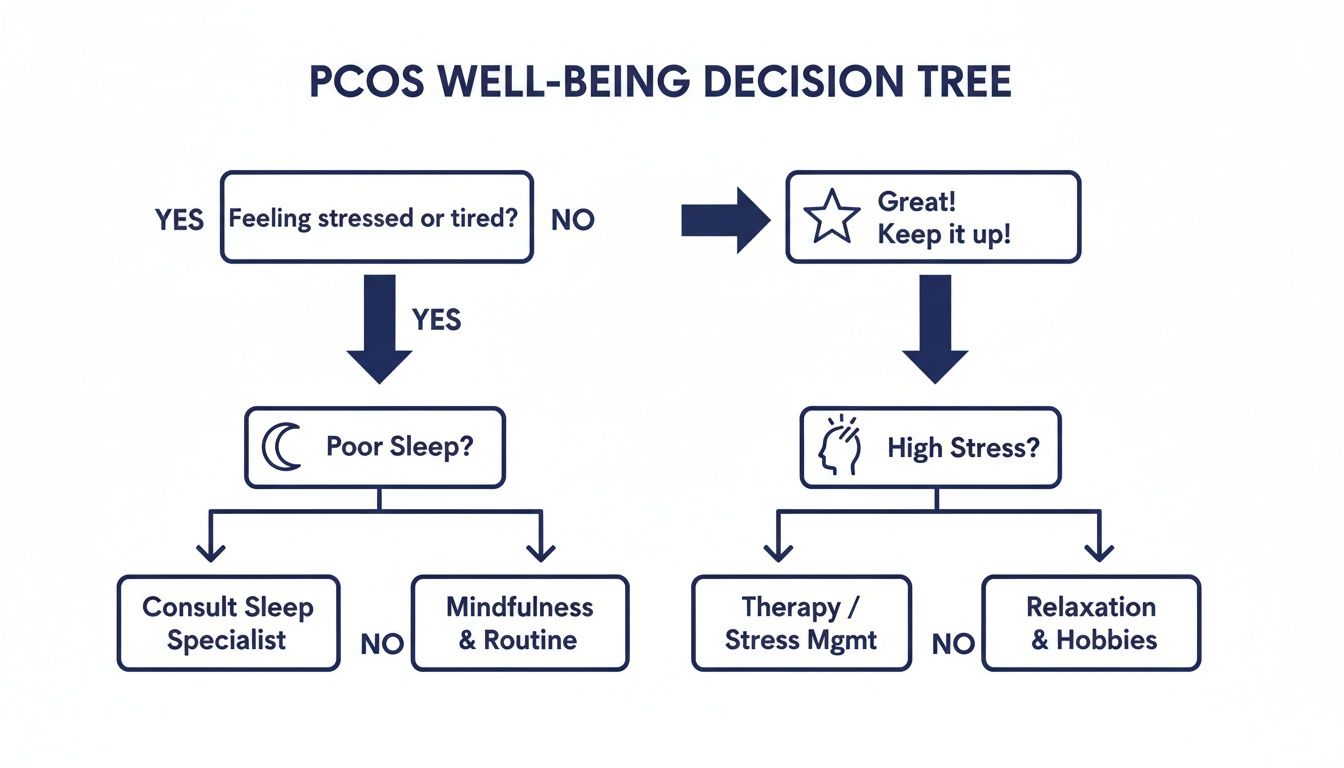
As the chart shows, if foundational pieces like sleep and stress are out of balance, they have to be addressed for any plan to be successful, whether it includes medication or not.
The Role of Telehealth in Your Journey
Getting specialized care for PCOS isn't always easy. That's where telehealth services like Blue Haven Rx come in. We offer a direct, convenient way to connect with licensed medical doctors who truly understand the complexities of PCOS and weight management.
Through a simple online process, you can get a professional medical evaluation right from your own home. If a prescription treatment like a GLP-1 is a good fit for you, the medication can be shipped discreetly to your door. This model removes many common barriers and provides the continuous support that is crucial for long-term success.
Ready to explore if a medically supported plan is your next right step? Your journey can start right now.
Your Top PCOS Weight Loss Questions, Answered
If you’re trying to lose weight with PCOS, you’ve probably got a lot of questions. That’s completely normal. This isn't just a simple "calories in, calories out" situation, and it helps to have clear, trustworthy answers. Let's dig into some of the most common questions from women navigating this journey.
How Fast Will I Actually Lose Weight?
This is the big one, isn't it? The honest answer is: it’s different for everyone. PCOS throws a few curveballs with hormones and metabolism, which can mean the scale moves a little slower than you might see in a typical weight loss story. But that absolutely does not mean it's impossible.
When you’re making consistent changes that are right for your body—focusing on blood sugar balance and gentle movement—you'll likely start to feel a difference within a few months. A healthy, sustainable pace to aim for is around 1-2 pounds per week. Remember to celebrate the "non-scale victories" too! Things like having more energy, your clothes fitting better, or just feeling more in control are huge signs of progress.
I've Hit a Plateau. Now What?
First, don't panic. Hitting a weight loss plateau is incredibly common, especially with PCOS. Think of it less as a roadblock and more as a sign that your body has adapted to your current routine. It's time for a gentle course correction.
Here are a few practical things to look at:
- Check in with your meals. Have your portion sizes slowly started to creep up? Are you still getting enough protein and fiber with every meal? Sometimes a quick "audit" with a food journal for a few days can highlight what needs tweaking.
- Switch up your movement. If you’ve been doing the same workout for months, your body is probably getting good at it. Try adding new strength exercises, increasing the weight you’re lifting, or changing the intensity of your walks.
- Look at your stress and sleep. This is a big one. As we've covered, high cortisol and poor sleep can grind fat loss to a halt. Recommitting to your sleep schedule and stress-management habits can be the very thing that gets the scale moving again.
A plateau doesn’t mean you’ve failed; it means your body is ready for a new challenge. It’s a sign of progress, not a dead end.
Are There Any Supplements That Genuinely Help?
While there's no magic pill, some supplements have credible research behind them for supporting the unique metabolic needs of PCOS. Your diet is always the foundation, but these can provide an extra boost.
Myo-inositol and D-chiro-inositol are two of the most-studied supplements for PCOS. Research suggests they may help your body use insulin more effectively and support regular ovarian function. Another helpful supplement is omega-3 fatty acids, which are fantastic for tackling the chronic, low-grade inflammation that often comes with PCOS.
Before you start anything new, make sure to chat with your doctor. They can help you figure out if a supplement is right for you and ensure it won't interfere with any other medications.
Is It Too Late to Lose Weight with PCOS After 40?
Not at all. It is absolutely possible to achieve your weight management goals. Yes, metabolism tends to slow down a bit as we get older, and things like perimenopause can add another hormonal layer to the mix. But here's the good news: the strategies that work for PCOS are the exact same strategies that promote healthy aging and longevity.
Focusing on managing insulin resistance, building and maintaining muscle with strength training, and keeping stress in check are key for both PCOS management and thriving in your 40s and beyond. Your progress might require a bit more patience and consistency, but you can absolutely reach your health goals at any age.
Your journey with PCOS is yours alone, but you don't have to walk it by yourself. If you're ready for personalized support and want to learn how medical treatments could fit into your healthy living plan, Blue Haven Rx is here to guide you.
Take our quiz today to find out if you’re a candidate and start your journey with us.