
Healthy Eating Habits for Weight Loss: Practical Tips for a Healthier You
When it comes to healthy eating habits for weight loss, the goal isn’t just about dropping pounds—it's about creating a new, sustainable way of living. This means we shift our focus from restriction and deprivation to nourishing our bodies with wholesome foods that make us feel good, like lean proteins and fiber that keep us full and energized.
Moving Beyond Diets to Build Lasting Habits
Have you ever been stuck in that frustrating cycle of dieting, losing some weight, only to gain it all back? You are definitely not alone. This happens because most restrictive diets are temporary by nature. They simply aren't designed for long-term success.
Real, lasting results come from building a foundation of healthy habits that feel so natural they become part of your daily routine. It’s not about perfection; it’s about consistency. This is a complete mindset shift—instead of focusing on what you can't eat, you begin to explore all the delicious, satisfying foods you can add to your plate. For those of us aged 45 and over, this becomes even more critical as our bodies change and we need to prioritize muscle mass and metabolic health for longevity.
The Power of Nourishment Over Restriction
Giving your body the right fuel is essential for weight management and healthy living. For instance, a protein-rich breakfast can help stabilize your blood sugar and give your metabolism a gentle nudge, which is especially helpful for navigating weight changes during menopause. It’s these small, consistent actions that compound over time and lead to significant, lasting results.
This approach is also about healing your relationship with food. A key part of this journey is learning how to practice mindful eating and truly savor your meals. When you start paying attention to your body’s natural hunger and fullness cues, you’ll find yourself making better choices without that nagging feeling of deprivation.
Adopting mindful eating habits, combined with a focus on nutrient-dense foods, can lead to a sustainable 5-15% loss of body weight. It shifts the goal from a number on the scale to a feeling of well-being and energy.
To truly understand this shift, let's look at the difference between the old way of thinking and the new, habit-focused approach.
Shifting from a Diet Mindset to a Habit Mindset
| Common Diet Mindset | Healthy Habit Approach | Why It Works Better |
|---|---|---|
| "Good" vs. "Bad" Foods | All foods can fit; focus on balance. | Removes guilt and binge-restrict cycles, promoting a healthier relationship with food. |
| All-or-Nothing Thinking | Progress, not perfection. One off-plan meal doesn't ruin everything. | Builds resilience and prevents giving up after a single setback. |
| External Rules (calories, points) | Internal Cues (hunger, fullness, energy levels) | Teaches you to trust your body's signals, which is a lifelong skill. |
| Focus on the Scale | Focus on Non-Scale Victories (more energy, better sleep, clothes fit better) | Broadens the definition of success beyond a number, keeping motivation high. |
This table highlights how moving toward a habit-based system frees you from the rigid, often negative, rules of dieting and empowers you to build something that lasts.
It’s no secret that weight management is a global health issue. Credible research consistently shows that diet is the primary driver of weight loss, accounting for roughly 80% of your success, far more than exercise alone. In fact, adult obesity has more than doubled worldwide since 1990, which tells us that the quick-fix diet approach simply isn't working for most people.
Ultimately, building healthy eating habits is one of the best investments you can make in your long-term wellness. When you combine this solid foundation with supportive therapies, like compounded GLP-1 medications that help manage hunger, your efforts become even more powerful.
Ready to see how a personalized approach can work for you? Take our quiz to see if you’re a candidate and start your journey with Blue Haven Rx.
How to Build a Plate for Energy and Fullness
Let's cut through the noise of complicated nutrition rules and calorie-counting apps. The secret to building healthy eating habits that lead to weight loss can be as simple as knowing what to put on your plate. The goal is to create meals that give you steady energy, keep you feeling full and satisfied, and support your body’s unique needs for healthy living.
This boils down to the "big three": lean protein, healthy fats, and fiber-rich carbohydrates. These are your macronutrients, and finding the right balance is the key to shutting down cravings and avoiding those dreaded afternoon energy slumps. When you get this trio working together, they stabilize your blood sugar, which is a game-changer for weight management.
The Power Trio: Protein, Fat, and Fiber
Why are these three so critical? Think of them as the legs of a stool—if one is missing, the whole thing becomes unstable.
Lean Protein is Your Metabolic Anchor
Protein is the champion of fullness. It takes your body longer to digest, which means you stay satisfied for hours after a meal. Even more importantly, getting enough protein helps you maintain muscle mass while losing weight. This is crucial because muscle is metabolically active, burning more calories at rest than fat does, which helps keep your metabolism strong.
A practical tip is to include a source of lean protein at every meal. Think grilled chicken, fish, eggs, tofu, or a scoop of Greek yogurt.
Healthy Fats for Satiety and Health
Fats got a bad reputation for years, but the right kinds are essential for your health. Healthy fats, like those in avocados, nuts, seeds, and olive oil, are incredibly satisfying. They also play a major role in hormone production and help your body absorb certain vitamins. A small amount can make a meal feel much more complete, helping you stay full longer.
Fiber-Rich Carbs for Sustained Energy
Not all carbs are the enemy. We're talking about the complex, high-fiber kinds you get from vegetables, fruits, beans, and whole grains like quinoa or oats. Fiber slows down digestion, prevents sharp spikes and crashes in blood sugar, and nourishes the good bacteria in your gut—all of which are vital for weight management.
One of the most effective habits you can adopt is simply filling half your plate with non-starchy vegetables. It’s a simple change that makes a big difference.
This entire approach is about shifting your mindset from restrictive "dieting" to sustainable "nourishing."
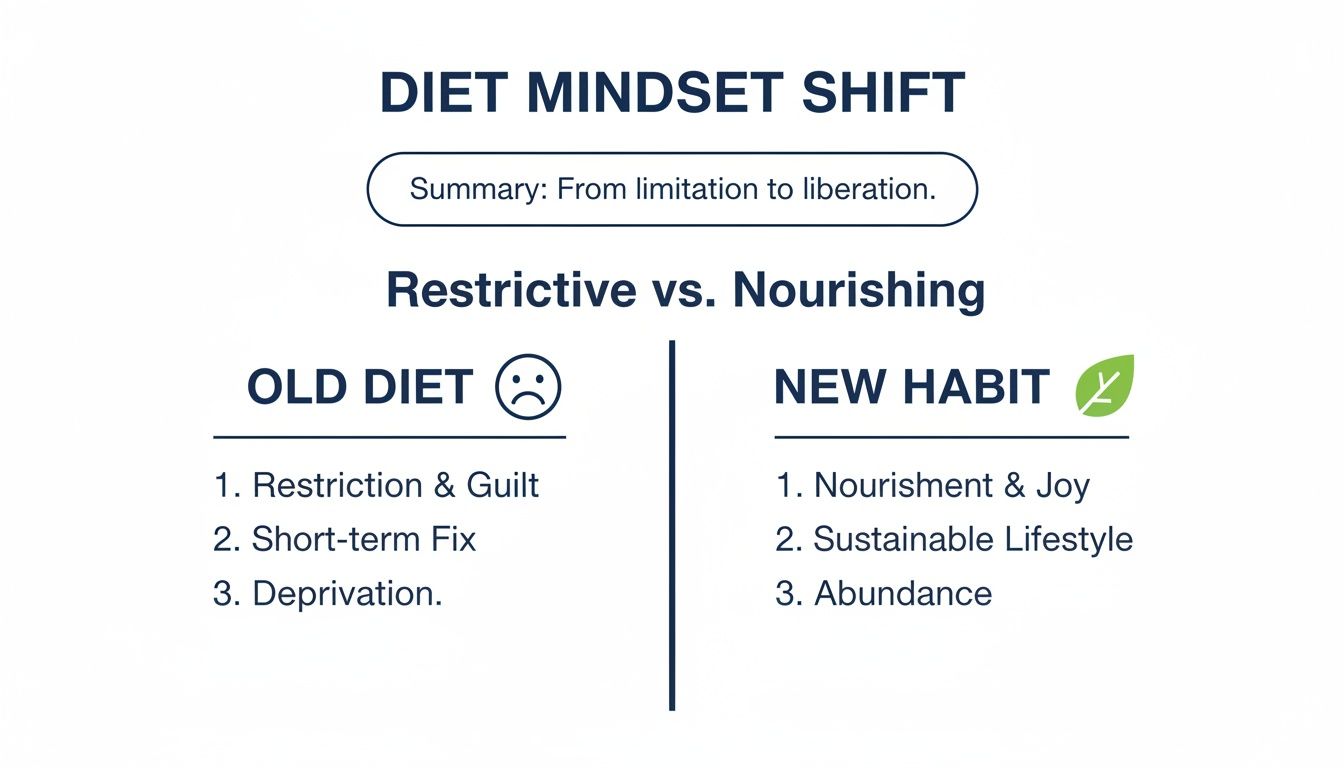
This visual captures the move away from a negative focus on restriction and toward a positive focus on what you're adding to your plate for better health and longevity.
A Simple Guide to Portion Control Without Measuring Cups
One of the biggest challenges people face is figuring out how much to eat without turning their kitchen into a science lab. The good news is you don’t need to carry measuring cups everywhere. Your own hand is a surprisingly accurate and convenient portion guide.
Here’s a practical framework for building your plate:
- Protein: Aim for a portion about the size of your palm (like a chicken breast or a piece of salmon).
- Fiber-Rich Carbs: A portion that fits into your cupped hand is a good target (think a small sweet potato or a scoop of quinoa).
- Healthy Fats: A portion roughly the size of your thumb will do the trick (like a tablespoon of olive oil or a small handful of almonds).
- Vegetables: Go for it here! Fill up on one to two fist-sized portions of non-starchy veggies like broccoli, spinach, or bell peppers.
This method is flexible, works whether you're at home or eating out, and is simple to remember. It naturally guides you to prioritize protein and veggies while keeping more calorie-dense fats and carbs in check.
Building a balanced plate isn’t about being perfect; it's about having a reliable template. By consistently aiming for this balance, you give your body the nutrients it needs to thrive, making weight loss feel less like a struggle and more like a natural outcome of good self-care.
When you focus on this plate-building method, you start creating meals that work for you. Each plate becomes another step toward better energy, fewer cravings, and results that last. For a closer look at specific ingredients, check out our guide on the best foods for weight loss.
Consistently nourishing your body this way is not just about weight loss—it’s about eating for a longer, healthier, and more vibrant life.
Set Up Your Kitchen for Automatic Success
The journey to building healthier eating habits begins long before you sit down at the dinner table. It starts in the grocery aisle and in your own kitchen. Think of your home environment as your most reliable wellness partner. When it's set up to support your goals, making the right choice becomes the easy choice—no willpower required.
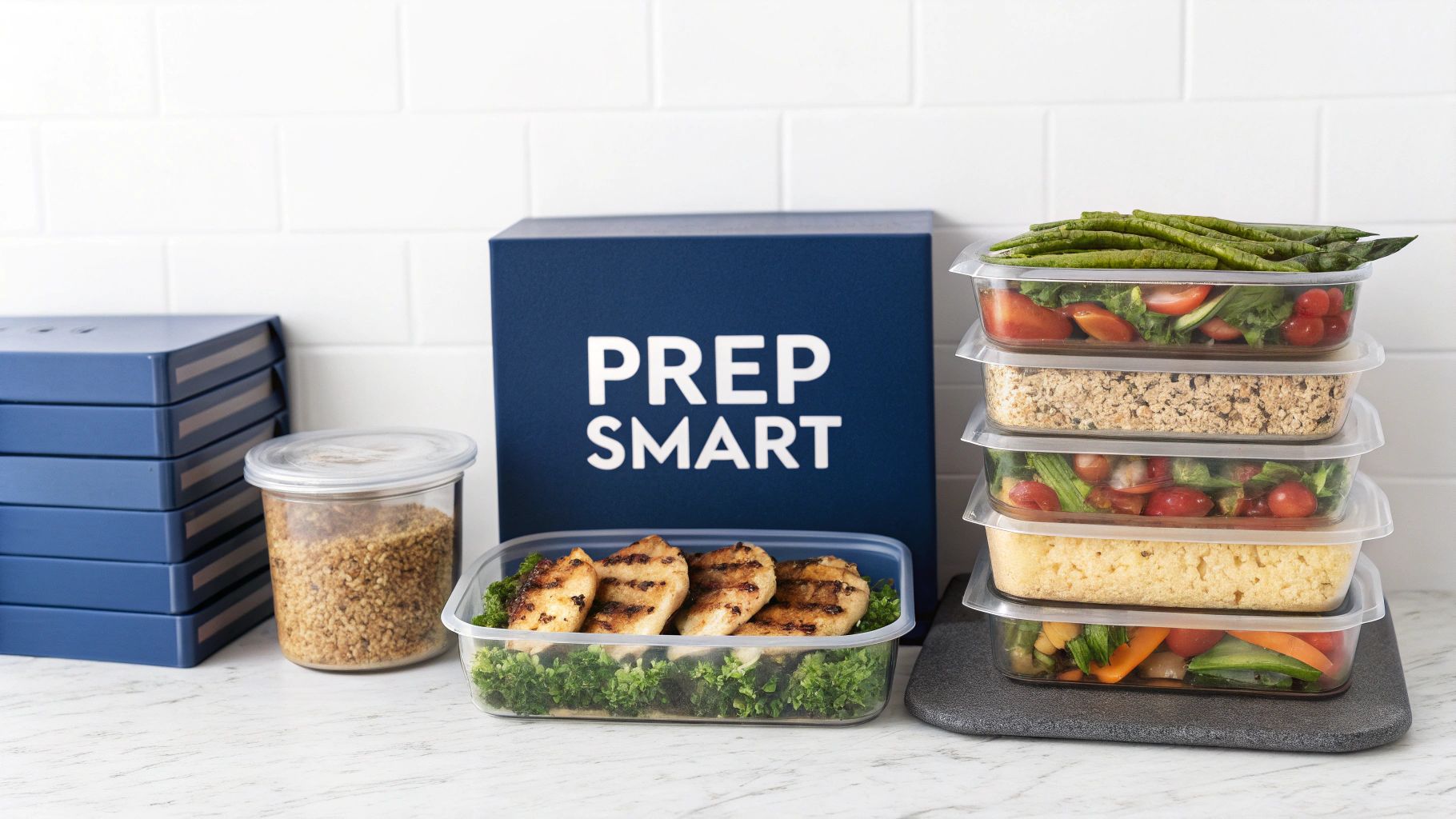
It’s all about creating gentle nudges in the right direction. Let's walk through a few practical tips to make your kitchen work for you.
Give Your Pantry a Makeover
A successful pantry makeover isn’t about throwing everything out. It’s about strategic swaps—replacing highly processed items with nutrient-dense alternatives. The real goal is to make the healthy options the most visible and convenient ones.
Start by rearranging your shelves. Move that bag of quinoa and those cans of chickpeas to the front at eye level. At the same time, shift the crackers and cookies to a higher shelf or a less obvious spot. This simple trick of "choice architecture" makes you more likely to grab what supports your health without even thinking about it.
Here are a few simple swaps to get you started:
- Instead of sugary cereals: Try rolled oats, plain Greek yogurt, or eggs.
- Instead of white pasta and rice: Stock up on whole-grain pasta, quinoa, and brown rice.
- Instead of sweetened granola bars: Keep raw almonds, walnuts, or seeds on hand for an energizing snack.
- Instead of creamy salad dressings: Make high-quality olive oil and balsamic vinegar your go-to.
By making these small changes, you engineer your environment for success and reduce the decision fatigue that can lead to less-than-ideal choices.
Master the Art of Smart Grocery Shopping
Your kitchen can only be as healthy as the food you bring into it. A successful grocery trip always starts with a plan, which is your best defense against impulse buys. A practical tip: never shop when you're hungry. That’s a surefire recipe for a cart full of processed snacks.
A crucial skill to develop is reading nutrition labels beyond just the calorie count. Pay close attention to added sugars, which hide in everything from yogurt and pasta sauce to bread. A good rule of thumb is to look for products with 5 grams of added sugar or less per serving.
A well-stocked fridge and pantry are your first line of defense against unhealthy choices. When you have delicious, healthy ingredients ready to go, you're far less likely to reach for takeout menus on busy nights.
This intentional approach to shopping ensures you're bringing home foods that align with your long-term health and wellness goals.
Realistic Meal Prep for Busy Adults
"Meal prep" can feel overwhelming, but it doesn't have to be an all-or-nothing effort. A more effective approach for busy adults is "component prepping."
Instead of making five identical meals, you simply prepare versatile ingredients you can mix and match throughout the week. This provides flexibility and prevents boredom.
Here's what that might look like:
- A Batch of Lean Protein: Grill a few chicken breasts or hard-boil half a dozen eggs. These can be tossed into salads, wraps, or grain bowls in minutes.
- A Whole Grain: Cook a large pot of quinoa or brown rice to use as a base for quick and filling meals.
- Roasted Vegetables: Chop and roast a sheet pan of your favorite veggies like broccoli, bell peppers, and sweet potatoes.
- Washed and Chopped Greens: Having a container of ready-to-go spinach makes throwing together a salad incredibly fast.
This method is a lifesaver on a hectic evening. Knowing you have delicious, pre-cooked components ready in the fridge is a powerful tool for staying on track and making healthy eating feel effortless.
This strategic approach to your environment is a cornerstone of sustainable weight management. This foundation becomes even more powerful when combined with a personalized health plan from a trusted source.
To explore how a comprehensive approach could support your journey, learn more about starting with Blue Haven Rx.
Overcoming the Mental Hurdles of Habit Change
Knowing you should eat a salad instead of fries is the easy part. The real challenge is doing it, day after day, when life gets busy or stressful. This is where we move beyond food lists and into the psychology of habit change—the secret to making healthy eating feel less like a chore and more like second nature.
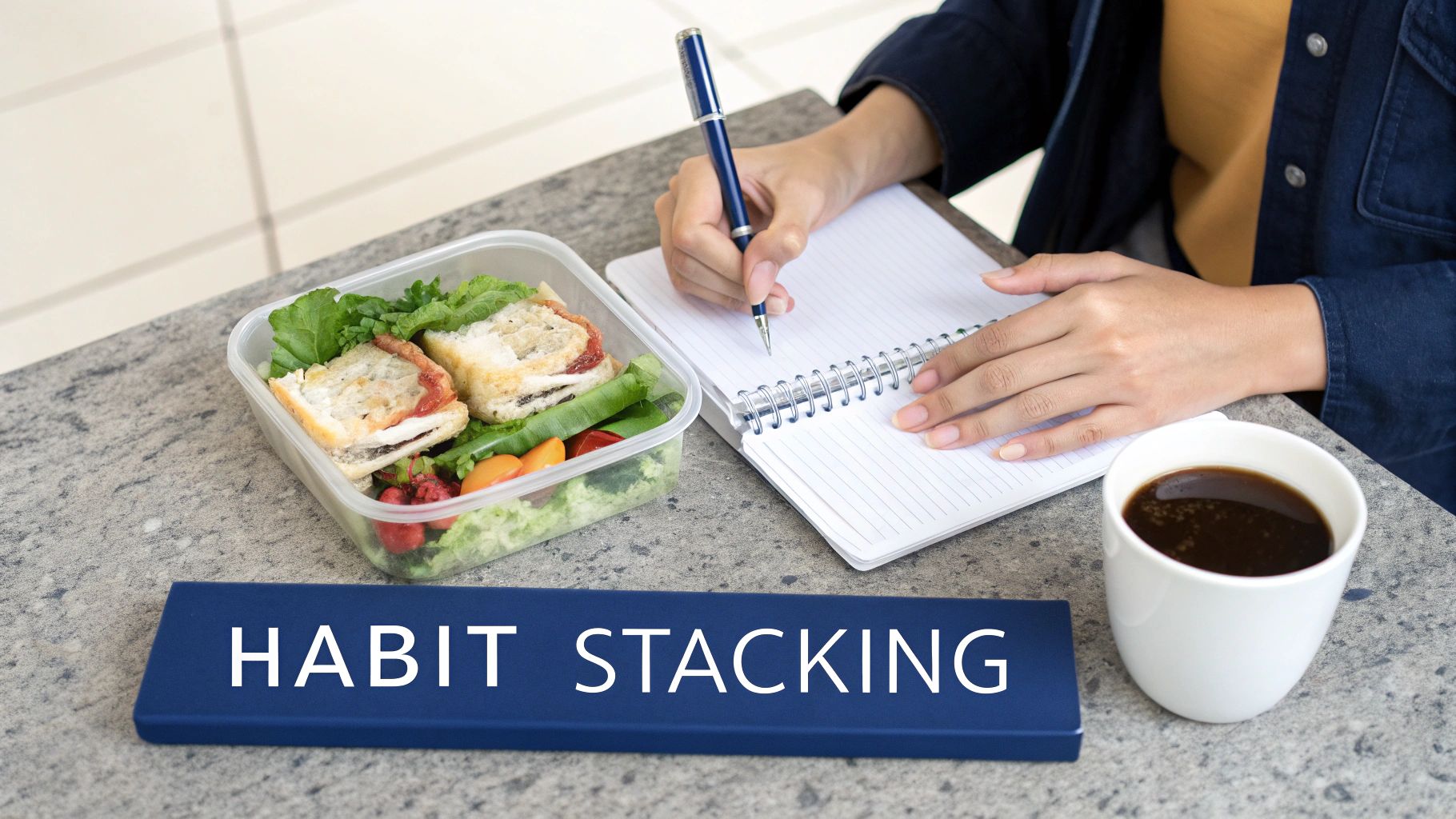
Building sustainable healthy eating habits for weight loss isn't about having superhuman willpower. It’s about having a smart strategy. It means understanding your own patterns and building a system that makes the right choice the easiest one.
The Power of Habit Stacking
One of the most powerful and practical techniques is habit stacking. Instead of trying to create a brand-new habit out of thin air, you simply tack it onto something you already do automatically.
Think about your morning. You probably already have a solid routine, like making coffee. That’s your anchor. Now, you can "stack" a new healthy action on top of it.
- Your Current Habit: Making your morning coffee.
- Your New Stacked Habit: While the coffee brews, you chop veggies for your lunch salad.
- Another Practical Example: After you brush your teeth at night (your anchor), you fill a large water bottle and put it on your nightstand to drink first thing in the morning (your new habit).
The new behavior becomes the next logical step in a sequence you already do without thinking.
Identifying Your Personal Eating Triggers
Have you ever found yourself in the pantry, not because you were hungry, but because you were stressed or tired? Those are emotional triggers, and they have a strong pull on our eating habits.
The first step to regaining control is simply to notice. For one week, try to become a curious observer of your own behavior. When you feel an urge to eat outside of your planned meals, pause and ask: "What am I really feeling right now?"
Understanding the 'why' behind your cravings is a turning point. It shifts the focus from fighting the food itself to addressing the underlying need, which is a far more effective and compassionate way to create lasting change.
Once you know your triggers, you can find better alternatives. If stress sends you looking for chips, a five-minute walk or a few deep breaths could be your new go-to. For a deeper dive, you can learn more about how to overcome emotional eating in our guide.
Moving Past the All-or-Nothing Mindset
A huge roadblock for many people is the "all-or-nothing" trap. You eat a piece of cake at a party, feel like you've failed, and figure you might as well write off the rest of the day. This cycle is destructive to long-term progress.
The truth is, one off-plan meal changes nothing. Healthy eating is about the overall pattern of your choices. The people who truly succeed are the ones who can get right back on track at their very next meal, without the guilt trip.
Building this mental resilience is the bedrock of a healthy, long-term relationship with food. It's a key part of any successful weight management plan.
Pairing Healthy Habits with Modern Medical Support
Building a solid foundation of healthy eating and a positive mindset is a major accomplishment. But you don't have to rely solely on willpower to reach your goals.
For many of us, especially as we navigate the changes that come after age 45, our own biology can feel like it's working against us. This is where modern medical support can step in as a game-changing partner on your health and wellness journey.
Think of it as powerful backup that helps all your new, healthy habits stick for good.
How Medical Support Can Boost Your Efforts
Certain prescription therapies can work with your body's own systems to make lasting weight loss feel less like a constant battle. For instance, compounded medications like GLP-1s target the same hormone receptors in your brain and gut that signal fullness.
The result? They can help quiet that relentless "food noise" and reduce the persistent hunger that can derail even the most motivated person.
When you aren't constantly fighting off intense cravings, it's easier to focus on making smart, nutritious choices. This biological support gives you the mental breathing room to practice mindful eating and build a better relationship with food, reinforcing all the great habits you're working so hard to create. You can learn more by exploring our Blue Haven Rx GLP-1 program.
Modern medical support isn't a replacement for healthy habits; it's a powerful amplifier. By addressing the biological drivers of hunger and satiety, it helps your dietary and lifestyle changes deliver more significant and sustainable results.
Convenient telehealth services, like those offered by Blue Haven Rx, connect you with medical professionals who can create a plan that's right for your unique health profile. This personalized guidance is key to moving toward your goals safely and effectively.
A Powerful Partnership for Wellness
Pairing healthy habits with medical support creates a powerful synergy. Of course, when considering any medical option for weight loss, it’s crucial to be informed by credible resources like this one on understanding the hidden risks of weight loss medications. A comprehensive approach addresses both the behavioral and biological sides of the equation.
The table below breaks down how these two elements work together to support your success.
How Healthy Habits and Medical Support Work Together
This table shows how combining smart dietary changes with a medically supported weight loss program can create a powerful, synergistic effect.
| Challenge Area | Healthy Habit Solution | How Medical Support (e.g., GLP-1) Amplifies Success |
|---|---|---|
| Intense Cravings | Eating balanced meals with protein and fiber to stabilize blood sugar. | Helps reduce the frequency and intensity of cravings by influencing appetite-regulating hormones. |
| Portion Control | Using visual guides (like the hand method) to manage serving sizes. | Increases feelings of fullness from smaller portions, making it easier to feel satisfied with less food. |
| Emotional Eating | Identifying triggers and developing non-food coping strategies. | Quiets the biological "food noise," making it easier to distinguish true hunger from emotional urges. |
| Maintaining Motivation | Focusing on non-scale victories and building resilient habits. | Seeing consistent results from the combined approach helps reinforce motivation and commitment. |
This dual strategy provides a more complete and robust framework for reaching and maintaining a healthy weight for the long haul. It respects the reality that weight management is complex, involving both your daily choices and your body’s internal chemistry.
Your Path Forward: From Here to a Healthier You
You now have the tools to change how you approach food and build a healthier life. This journey is about more than just weight loss; it’s about reclaiming your energy and feeling genuinely good in your own skin. This is day one of a more vibrant, sustainable way of living.
Embracing this new mindset is about celebrating progress, not chasing perfection. Every balanced meal you create and every new healthy habit you "stack" onto your routine are victories worth acknowledging.
How to Start—Right Now
The idea of starting can feel overwhelming, but it doesn't have to be. Here are a few simple, practical things you can do today:
- Plan Just One Meal: Forget the entire week. Just decide on one healthy meal for tomorrow. Perhaps a protein-packed salad for lunch. That's a great start.
- Do a Quick Pantry Shuffle: Go to your pantry and move one healthy food, like a bag of quinoa or a can of black beans, to the front where you can see it.
- Pinpoint One Trigger: Think about the last time you ate out of boredom or stress. Just becoming aware of that feeling is a huge first step.
True success isn't just a number on the scale. It's the energy you have to play with your grandkids, the confidence from fitting into an old pair of jeans, or simply feeling more at home in your own body. Those are the wins that truly matter.
These small, consistent actions are what build real, lasting habits. The goal is to keep learning and discover what works for you. For more on maintaining your results, check out our guide on how to maintain weight loss after you've reached your goals.
This is your journey, and you are in control. If you're curious about how a personalized, medically-supported plan could make it smoother and more effective, we're here to help.
Find out if you're a candidate by taking the Blue Haven Rx quiz today.
Common Questions Answered
When you're overhauling your eating habits, questions are bound to come up. It's only natural. Here are answers to some of the most common ones we hear from people starting their wellness journey.
How Long Until My New Eating Habits Stick?
You've probably heard that it takes 21 days to form a habit. However, credible research shows it can take anywhere from 18 to 254 days for a new behavior to become second nature.
The timeline is different for everyone. Don't get hung up on a magic number. The key is consistency, not speed. Focus on small, daily actions. What matters is building a foundation that will support you for years, not just for a few weeks.
Do I Have to Give Up My Favorite Foods to Lose Weight?
Not at all. In fact, trying to completely eliminate the foods you love can be counterproductive. It builds a sense of deprivation that often backfires, leading to cravings and binges.
A much more sustainable and enjoyable strategy is the 80/20 rule. Aim to fill your plate with nourishing, whole foods 80% of the time. For the other 20%, give yourself the grace to enjoy that slice of pizza or piece of chocolate without guilt. This flexibility is what makes healthy eating a realistic, long-term lifestyle.
What Should I Do If I Have a Bad Day and Go Off-Plan?
First, take a deep breath. It happens to everyone. One "off" meal or even an "off" day doesn't erase all your progress. It’s just a single data point.
The real trap is the "all-or-nothing" mindset, where one slip-up makes you feel like you should give up for the rest of the day or week. Don't fall for it.
Key Takeaway: Acknowledge it, let it go, and get right back on track with your very next meal. Every bite is a fresh start and a new chance to recommit to your goals.
Your wellness journey is unique, and sometimes, extra support can make all the difference. If you're ready to learn more about how a medically-guided plan could fit into your life, our team at Blue Haven Rx is here to guide you.
Take our quiz to see if a personalized plan is right for you.