
The 10 Best Foods for Weight Loss in 2025
Navigating the world of weight loss can feel overwhelming, especially with countless foods labeled as 'superfoods' or 'fat-burners.' For adults over 45, a healthy eating approach needs to be sustainable, effective, and supportive of long-term health. The goal isn't just about shedding pounds; it's about nourishing your body to enhance vitality and longevity. This guide cuts through the noise to bring you a practical list of the best foods for weight loss, all supported by credible research. We'll explore why each food is a powerful ally in your wellness journey, offering actionable tips on how to incorporate them into your daily routine.
We will focus on foods rich in protein and fiber, two critical nutrients for managing hunger, stabilizing blood sugar, and preserving muscle mass—which is particularly important as we age. Whether you get your protein from lean meats or prefer plant-based options, understanding how to build a satisfying plate is key. For a comprehensive look at incorporating more protein through plant-based options, which are highly beneficial for weight management, consider exploring the top plant-based protein sources to diversify your diet.
This list is designed to be a practical resource. You'll find specific details on why each food works, from boosting metabolism to promoting a feeling of fullness. Whether you're just starting your health journey or looking to enhance the results of a physician-guided program like those offered at Blue Haven Rx, understanding how to fuel your body correctly is the cornerstone of lasting success. Let's dive into the foods that will help you achieve your goals and feel your best.
1. Eggs
Often called nature's multivitamin, eggs are a nutritional powerhouse and one of the best foods for weight loss. They are a complete protein source, meaning they contain all nine essential amino acids your body needs. This high-quality protein is crucial for feeling full and satisfied after a meal, which helps reduce overall calorie consumption.
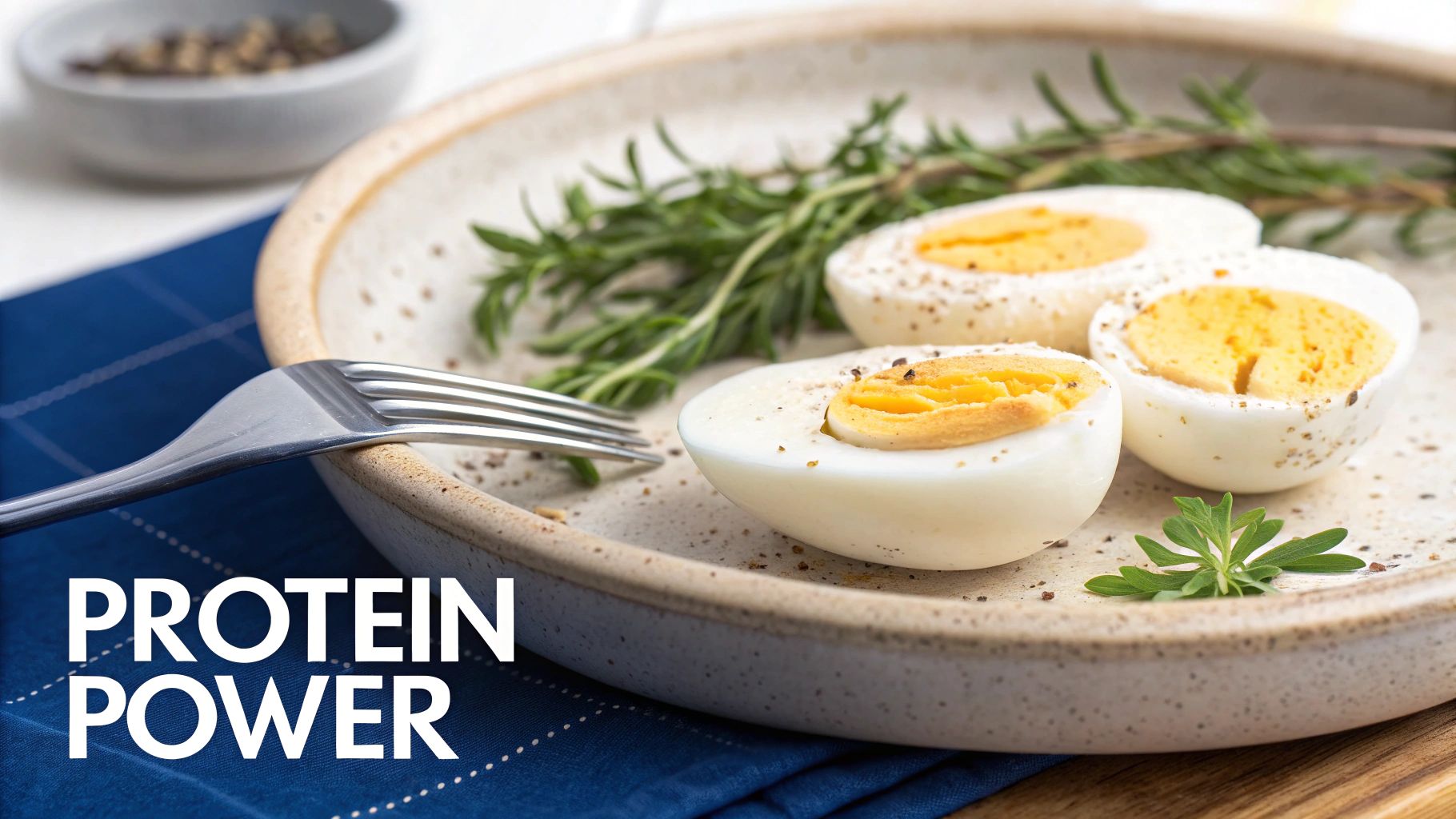
Your body uses more energy to digest protein compared to fats or carbohydrates, a phenomenon known as the thermic effect of food (TEF). This process gives your metabolism a slight boost, contributing to your weight management goals. For those on a calorie-restricted diet, the protein in eggs also helps preserve lean muscle mass, which is vital for maintaining a healthy metabolic rate.
How to Incorporate Eggs for Weight Loss
Making eggs a regular part of your routine is simple. Starting your day with eggs can significantly curb hunger later on. One study found that individuals who ate eggs for breakfast consumed fewer calories over the next 36 hours compared to those who ate a bagel.
- Practical Tip: Hard-boil a batch of eggs at the beginning of the week for a quick, high-protein snack that helps you avoid less healthy options.
- Balanced Meals: Pair eggs with high-fiber vegetables like spinach or bell peppers in an omelet or scramble. This combination enhances satiety and provides a wide range of nutrients.
A Note for Your Health Journey
For individuals using GLP-1 medications, eggs are an excellent choice. Their high protein content helps you meet your nutritional needs on a reduced appetite and supports muscle preservation. For women in perimenopause and menopause, the protein and vitamin D in eggs are particularly beneficial for maintaining muscle and bone health. Integrating nutrient-dense foods is a foundational step, and you can learn more about how to start a weight loss journey on bluehavenrx.com for a comprehensive approach.
2. Greek Yogurt
Creamy, tangy, and incredibly versatile, Greek yogurt is a weight-loss superstar. It’s strained more times than regular yogurt, resulting in a thicker product with nearly double the protein and less sugar. This protein-dense profile makes it one of the best foods for weight loss, as it significantly enhances feelings of fullness and reduces subsequent food intake.
The high protein content in Greek yogurt also supports your metabolism. Just like with eggs, your body expends more calories digesting protein. Additionally, its rich supply of probiotics supports a healthy gut microbiome, which emerging research suggests plays a role in weight regulation. Preserving lean muscle is also easier with a high-protein diet, ensuring your metabolism stays efficient.
How to Incorporate Greek Yogurt for Weight Loss
Integrating Greek yogurt into your diet is simple and delicious. Its creamy texture makes it a satisfying swap for higher-calorie ingredients like sour cream or mayonnaise.
- Practical Tip: Always choose plain, unsweetened Greek yogurt and check the label to avoid hidden sugars. You can add your own fresh fruit for natural sweetness.
- Balanced Meals: Create a powerful breakfast or snack by topping plain Greek yogurt with berries for fiber and a small handful of nuts for healthy fats. This combination provides long-lasting energy and satiety.
A Note for Your Health Journey
For those on GLP-1 treatments, the high protein and low sugar content of plain Greek yogurt makes it an ideal food. It helps you feel full on a smaller portion while meeting your protein needs. For women navigating perimenopause and menopause, Greek yogurt is particularly valuable. The combination of protein and calcium helps support bone density and muscle mass, both of which can decline during this transitional period.
3. Leafy Greens (Spinach, Kale, Arugula)
Leafy greens like spinach, kale, and arugula are foundational to any effective weight loss plan. They are incredibly nutrient-dense, offering a wealth of vitamins and minerals for very few calories. This allows you to eat large, satisfying portions that fill you up without derailing your goals. Their high fiber and water content add bulk to your meals, promoting a feeling of fullness that helps prevent overeating.
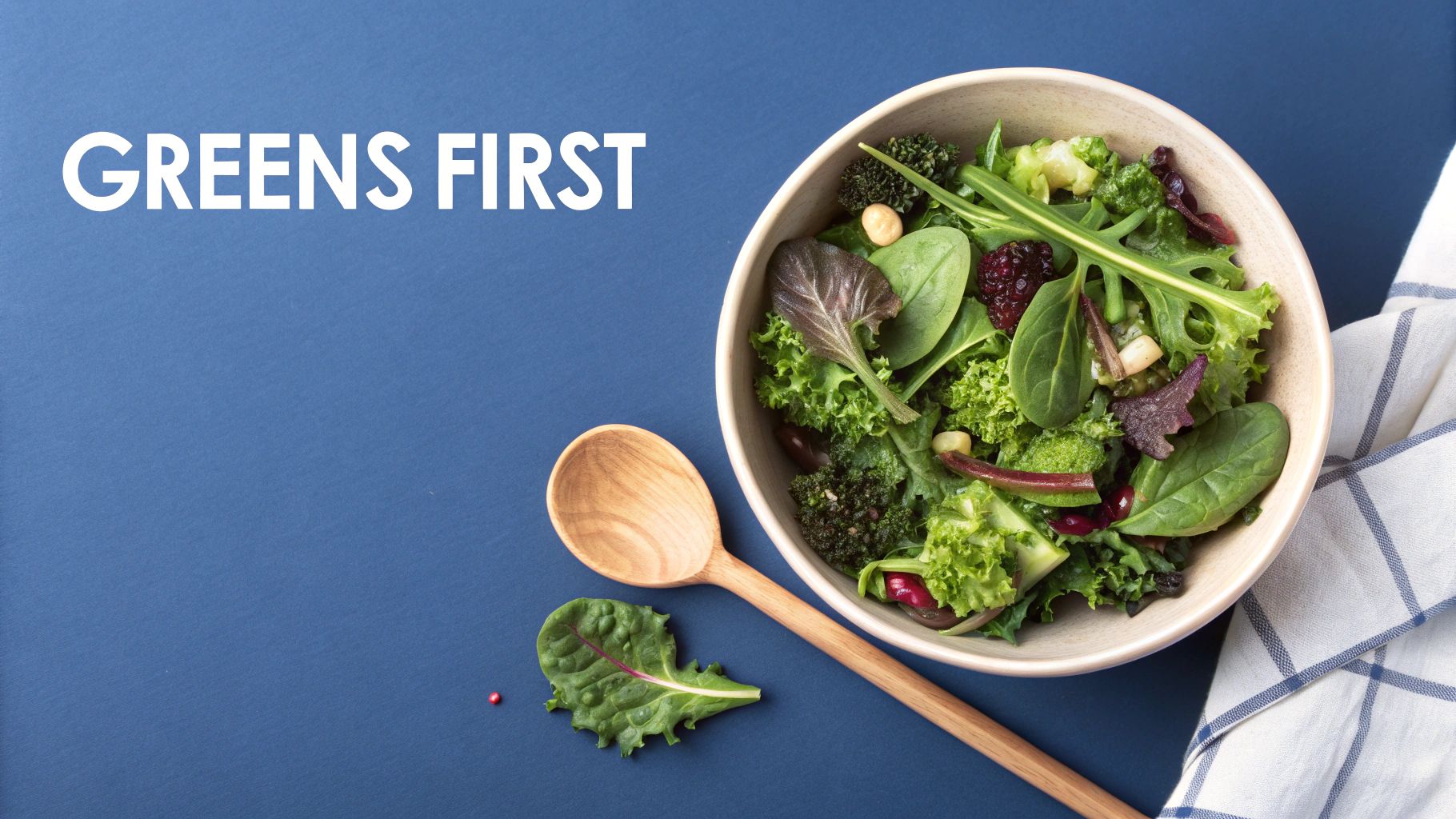
The high fiber content in leafy greens slows digestion, stabilizing blood sugar levels and preventing the energy crashes that often lead to snacking on high-calorie foods. This makes them one of the best foods for weight loss and sustained energy.
How to Incorporate Leafy Greens for Weight Loss
Making leafy greens a central part of your diet is a simple yet powerful strategy. Aim to fill at least half of your plate with greens at every meal to boost volume and nutrient intake while keeping calories in check.
- Practical Tip: Wash and chop a variety of greens at the start of the week. Store them in an airtight container for quick salads or to toss into cooked dishes like soups and stir-fries.
- Balanced Meals: Use a large bed of spinach or arugula as the base for a salad topped with a lean protein source like grilled chicken or chickpeas and a healthy fat like avocado.
A Note for Your Health Journey
For those on GLP-1 therapies, leafy greens are an ideal choice. Their high fiber content aids in digestive regularity, a common concern with these treatments. For women navigating perimenopause and menopause, the rich calcium and vitamin K content in greens like kale supports bone density. Discover more ways to build a supportive diet by exploring a list of GLP-1 friendly foods on bluehavenrx.com.
4. Berries (Blueberries, Strawberries, Raspberries)
Berries are a vibrant and delicious addition to any weight loss plan, packing a significant nutritional punch with very few calories. They are low on the glycemic index, which means they don't cause sharp spikes in blood sugar, a key factor in managing cravings. Their high fiber and water content promotes a feeling of fullness, helping you consume fewer calories overall.
Berries are also loaded with antioxidants and potent plant compounds called polyphenols. Research suggests these compounds may help reduce inflammation, which supports a healthy metabolism and makes berries one of the best foods for weight loss.
How to Incorporate Berries for Weight Loss
Adding berries to your daily diet is simple and enjoyable. They can satisfy a sweet tooth without the added sugars and empty calories found in many desserts.
- Practical Tip: Buy berries frozen to enjoy them year-round at a lower cost. Frozen berries are perfect for smoothies and retain nearly all their nutritional value.
- Balanced Meals: Pair berries with a source of protein like Greek yogurt or cottage cheese. This combination helps stabilize blood sugar and keeps you feeling full for hours.
A Note for Your Health Journey
For those on GLP-1 medications, berries offer a nutrient-dense, low-calorie way to get essential vitamins and fiber. Their natural sweetness can satisfy cravings without derailing your progress. For women navigating perimenopause and menopause, the anti-inflammatory properties of berries are especially beneficial. Pairing a smart diet with a comprehensive strategy is key, and you can learn more about how to start a weight loss journey on bluehavenrx.com to build your personalized plan.
5. Chicken Breast
A staple in fitness and weight management circles, lean chicken breast is a high-quality, protein-rich food that can significantly support your weight loss efforts. It's renowned for its high protein content and minimal fat, especially when the skin is removed. This makes it one of the best foods for weight loss because it promotes satiety, helping you feel fuller for longer.
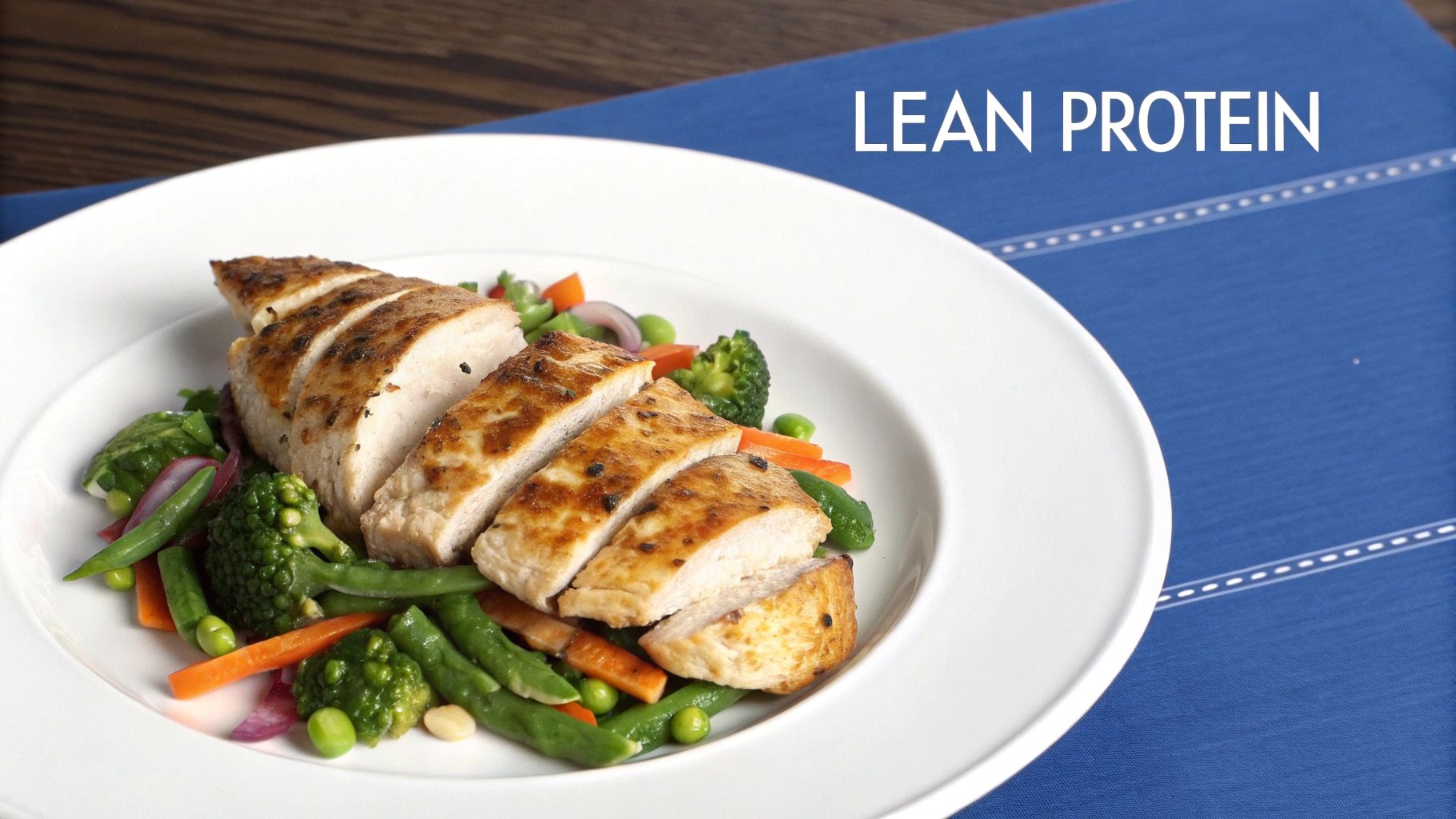
Like eggs, chicken breast has a high thermic effect of food (TEF), meaning your body expends more calories to digest it. This gives your metabolism a gentle boost. The complete amino acid profile in chicken also plays a crucial role in preserving lean muscle mass during a calorie deficit, which is vital for keeping your metabolic rate from slowing down.
How to Incorporate Chicken Breast for Weight Loss
Chicken breast is incredibly versatile, making it easy to include in your weekly meal plan. The key is to use healthy cooking methods and pair it with other nutrient-dense foods.
- Practical Tip: Batch-cook chicken at the start of the week. Grill, bake, or poach several breasts and shred or slice them for quick additions to salads, wraps, and grain bowls.
- Flavorful & Healthy: Use herbs, spices, and marinades made from lemon juice, vinegar, and low-sodium broth to add flavor without adding significant calories or fat.
A Note for Your Health Journey
For those using GLP-1 medications, the high protein in chicken breast is ideal for meeting nutritional needs on a suppressed appetite. For women navigating perimenopause and menopause, maintaining muscle mass is a key priority to support metabolism and bone health. Chicken breast provides the essential protein to help achieve this. Building a satisfying eating strategy is key, and you can explore an Ozempic meal plan for weight loss on bluehavenrx.com for more structured ideas.
6. Whole Grains (Oats, Quinoa, Brown Rice)
Often mistakenly cut from weight loss plans, whole grains are a vital component of a healthy diet. Unlike refined grains, whole grains like oats, quinoa, and brown rice contain the entire grain kernel. This means they are packed with fiber, B vitamins, and essential minerals. Their high fiber content is key for promoting satiety, helping you feel fuller for longer.
The complex carbohydrates in whole grains are digested slowly, providing a steady release of energy and preventing sharp blood sugar spikes. This stable blood sugar level is crucial for managing hunger and cravings. Furthermore, the fiber in whole grains supports a healthy gut microbiome, which emerging research suggests plays an important role in metabolism and weight regulation.
How to Incorporate Whole Grains for Weight Loss
Adding whole grains to your diet is about smart swaps and mindful portions. They should complement your meals, not dominate them.
- Practical Tip: Replace white rice with brown rice or quinoa, use whole-grain bread for sandwiches, and start your day with a bowl of steel-cut or rolled oats instead of sugary cereals.
- Balanced Meals: Pair your whole grains with a lean protein source and plenty of non-starchy vegetables. A quinoa salad with chicken and mixed greens is an excellent example.
A Note for Your Health Journey
For those using GLP-1 medications, the high fiber in whole grains can help manage common side effects like constipation. For women navigating perimenopause and menopause, the B vitamins they contain can support energy levels, and their fiber helps with weight management and heart health.
7. Cruciferous Vegetables (Broccoli, Cauliflower, Brussels Sprouts)
Cruciferous vegetables like broccoli, cauliflower, and Brussels sprouts are true champions for weight loss. They are incredibly low in calories but packed with fiber, which is key for feeling full and satisfied. This high fiber content helps slow down digestion and stabilize blood sugar levels, preventing the overeating that can derail weight management efforts.
These vegetables are dense in water and nutrients, allowing you to fill your plate without a significant caloric impact. By providing substantial volume for very few calories, they make it much easier to maintain the calorie deficit necessary for weight loss.
How to Incorporate Cruciferous Vegetables for Weight Loss
Adding these versatile vegetables to your meals is simple. Roasting them brings out a natural sweetness, while steaming preserves maximum nutrients.
- Practical Tip: Use riced or mashed cauliflower as a low-carb substitute for rice, potatoes, or pizza crust to significantly cut calories.
- Flavorful Additions: Roast broccoli and Brussels sprouts with a light drizzle of olive oil, garlic, and herbs for a delicious side dish that pairs well with lean proteins.
A Note for Your Health Journey
For individuals on GLP-1 therapies, the high fiber in cruciferous vegetables is excellent for promoting gut health and enhancing feelings of fullness. For women navigating perimenopause and menopause, these vegetables provide essential nutrients to support digestive regularity and help manage weight fluctuations. A healthy diet is the cornerstone of any effective health strategy, which you can explore further by discovering how to start a weight loss journey on bluehavenrx.com.
8. Fish (Salmon, Cod, Mackerel)
As a premier source of high-quality protein and healthy fats, fish is one of the best foods for weight loss. Varieties like salmon, cod, and mackerel are packed with lean protein, which is essential for maintaining muscle mass while promoting a strong sense of fullness. This superior satiety helps to naturally reduce your daily calorie intake.
Fish, particularly fatty fish like salmon, is rich in omega-3 fatty acids. These healthy fats play a crucial role in reducing inflammation, a factor often linked to obesity and metabolic syndrome. This metabolic advantage, combined with its ability to preserve lean muscle, makes fish a powerful ally in your weight management efforts.
How to Incorporate Fish for Weight Loss
Adding fish to your weekly meal plan is a simple and effective strategy. Aim to consume fish at least twice a week to reap its full benefits.
- Practical Tip: Choose baking, grilling, or steaming over frying to keep the calorie and unhealthy fat content low. Season with herbs, lemon, and spices for flavor.
- Complete Meals: Pair a grilled salmon fillet with steamed asparagus and a side of quinoa for a balanced, nutrient-dense meal that supports both satiety and energy levels.
A Note for Your Health Journey
For those using GLP-1 medications, the high protein and nutrient density of fish make it an ideal food choice. For women navigating perimenopause and menopause, the omega-3 fatty acids in fish can help manage inflammation and support cardiovascular health, while the protein is vital for maintaining muscle and bone density. Incorporating key foods is a smart strategy, and you can learn more about how to start a weight loss journey on bluehavenrx.com to build a complete plan.
9. Legumes (Lentils, Chickpeas, Black Beans)
As staples in many of the world's healthiest diets, legumes like lentils, chickpeas, and black beans are plant-based powerhouses for weight loss. They deliver an exceptional combination of high-quality plant protein and soluble fiber, a duo that works wonders for creating a prolonged feeling of fullness and stabilizing blood sugar levels.
Legumes are also rich in resistant starch, a type of carbohydrate that feeds beneficial gut bacteria. This can improve gut health and insulin sensitivity, both crucial for effective weight management. For a deeper dive into the benefits of specific legumes, you can explore the question: Are lentils good for weight loss?
How to Incorporate Legumes for Weight Loss
Adding legumes to your diet is both affordable and versatile. Their slow-releasing energy makes them an excellent choice for maintaining energy levels throughout the day.
- Practical Tip: Toss a can of rinsed black beans or chickpeas into salads, soups, and stews to instantly boost their fiber and protein content.
- Smart Swaps: Use mashed chickpeas or black beans as a base for burgers and tacos, or replace some of the meat in dishes like chili with lentils.
A Note for Your Health Journey
For individuals on GLP-1 medications, the high fiber in legumes can help promote regular digestion and enhance feelings of fullness. For women navigating perimenopause and menopause, the plant-based protein and fiber in legumes are excellent for managing weight, supporting heart health, and maintaining stable energy levels.
10. Nuts and Seeds (Almonds, Chia Seeds, Flaxseeds)
While they may be calorically dense, nuts and seeds are nutrient-packed powerhouses for weight loss when consumed mindfully. They are rich in healthy fats, plant-based protein, and dietary fiber. This powerful combination works to promote satiety, stabilize blood sugar levels, and keep you feeling full for longer.
The healthy fats and fiber in almonds, chia seeds, and flaxseeds slow down digestion, leading to a gradual release of energy. Their crunchy texture also encourages more thorough chewing, which can increase feelings of fullness from a smaller portion.
How to Incorporate Nuts and Seeds for Weight Loss
The key to including these foods in your diet is portion control. A small amount goes a long way in providing benefits without derailing your goals.
- Practical Tip: Pre-portion nuts into small bags for an easy, on-the-go snack that wards off midday hunger and prevents you from reaching for processed alternatives.
- Meal Boosters: Sprinkle chia or ground flaxseeds into oatmeal, yogurt, or smoothies. Add a handful of almonds to salads or roasted vegetables for a satisfying crunch.
A Note for Your Health Journey
For those using GLP-1 medications, the high satiety factor of nuts and seeds is incredibly beneficial. For menopausal women, the phytoestrogens in flaxseeds and the bone-supporting magnesium in almonds can be particularly helpful. By providing sustained energy, these foods help you stay in a healthy calorie range, and you can learn more about creating a calorie deficit on bluehavenrx.com for a successful weight loss journey.
Top 10 Weight-Loss Foods Comparison
| Item | Implementation complexity | Resource requirements | Expected outcomes | Ideal use cases | Key advantages |
|---|---|---|---|---|---|
| Eggs | Very easy — boil/fry/poach quickly | Low cost, widely available, refrigerate | High satiety; preserves lean mass; moderate calories | Breakfast, meal prep, snacks | Complete protein; choline; versatile |
| Greek Yogurt | Very easy — ready to eat; minimal prep | Moderate cost; refrigeration; choose unsweetened | High protein satiety; supports gut health | Breakfast, smoothies, post-workout | Protein-dense; probiotics; calcium |
| Leafy Greens (Spinach, Kale, Arugula) | Easy — wash or light cook | Very low cost; fresh or frozen options | Very low calories; fills plate; micronutrient boost | Salads, smoothies, plate filler | Low calorie density; high vitamins and fiber |
| Berries (Blueberries, Strawberries, Raspberries) | Easy — wash or use frozen | Moderate cost; perishable (frozen option) | Satiety with low calories; antioxidants; low GI | Yogurt topping, smoothies, snacks, desserts | High antioxidants; fiber; natural sweetness |
| Chicken Breast | Medium — requires cooking, simple methods | Low-moderate cost; refrigerate/freeze; prep time | High protein; preserves muscle; high thermic effect | Main protein, meal prep, salads | High protein-to-calorie; versatile; affordable |
| Whole Grains (Oats, Quinoa, Brown Rice) | Medium — cooking/soaking needed for some | Low cost; pantry-stable | Sustained energy; increased satiety; better insulin control | Breakfast bowls, sides, salads, grain bowls | High fiber; sustained fullness; nutrient-rich |
| Cruciferous Vegetables (Broccoli, Cauliflower, Brussels Sprouts) | Easy — roast/steam/sauté | Very low cost; fresh or frozen | High satiety; fiber and phytonutrients; low calories | Sides, cauliflower rice, roasted snacks | High fiber; cancer-fighting compounds; low calories |
| Fish (Salmon, Cod, Mackerel) | Medium — bake/grill/steam; handle carefully | Moderate-high cost; refrigeration; sourcing matters | High satiety; omega-3 anti-inflammatory; muscle preservation | Dinner mains, 2–3x weekly protein source | Omega-3s; heart and brain benefits; nutrient-dense |
| Legumes (Lentils, Chickpeas, Black Beans) | Medium — soak/cook or use canned | Very low cost; pantry staple; cooking time | Strong satiety; high fiber+protein; stable blood sugar | Soups, salads, plant-based meals | Plant protein; very high fiber; affordable |
| Nuts and Seeds (Almonds, Chia, Flax) | Very easy — ready-to-eat; portion control needed | Moderate cost; shelf-stable (cool storage) | High satiety per small portion; calorie-dense | Snacks, toppings, portable energy | Healthy fats; fiber; micronutrients; portable |
Building Your Sustainable Wellness Plan
Navigating weight loss is simpler when you focus on nourishment, not restriction. This list of the best foods for weight loss is a blueprint for a sustainable path toward achieving your health goals and feeling your absolute best.
The journey begins with the common threads that weave through these powerhouse foods: high-quality protein, satiating fiber, and essential nutrients. From the muscle-preserving strength of Greek yogurt and chicken breast to the gut-friendly fiber in legumes and leafy greens, each item serves a distinct purpose. They work together to keep you feeling full, stabilize your blood sugar, and provide your body with the fuel it needs to thrive. This is especially crucial during life stages like perimenopause and menopause, where hormonal shifts can make weight management more challenging.
From Knowledge to Action: Your Next Steps
Putting this information into practice is where real transformation happens. The key is not to overhaul your entire diet overnight, but to make small, consistent changes.
- Start with One Meal: Focus on upgrading a single meal. For instance, swap your usual breakfast for a bowl of Greek yogurt topped with berries and chia seeds. Master that for a week before moving on to lunch.
- Embrace "Nutrient Swaps": Think of it as an upgrade, not a sacrifice. Instead of processed snacks, reach for a small handful of almonds. Swap refined white rice for nutrient-dense quinoa.
- Plan for Success: A few minutes of planning can prevent impulse decisions. On Sunday, chop some broccoli, grill a few chicken breasts, and cook a batch of lentils. Having these healthy components ready makes assembling a balanced meal during a busy week effortless.
The Power of a Comprehensive Approach
Adopting these nutrient-dense foods is a critical step, but for many, it's one piece of a larger puzzle. Modern science offers powerful tools that can work in concert with your nutritional efforts to enhance results and provide the support you need.
For individuals who have struggled with persistent weight gain, or for women navigating the metabolic challenges of menopause, combining a strategic diet with a medically guided program can be a game-changer. Treatments involving GLP-1 medications, for example, can help regulate appetite and improve metabolic function, making it easier to adhere to a healthy eating plan. This isn't a shortcut; it's a supportive measure that helps your body work with you. In addition to GLP-1s, therapies like NAD+ can support cellular energy and repair, contributing to overall vitality and healthy aging.
Ultimately, your wellness journey is deeply personal. By focusing on these best foods for weight loss, you are investing in your long-term health and well-being.
Ready to enhance your nutritional efforts with a medically supervised plan tailored to your unique biology? Blue Haven Rx combines a personalized approach with modern treatments like GLP-1 medications and NAD+ therapy to help you achieve your weight loss goals. Discover if you are a candidate and start your journey with us today.