
Switching from Semaglutide to Tirzepatide: What to Expect
Deciding to change your medication is a meaningful step in your weight management and long-term health journey. It’s wise to weigh your options carefully and align your treatment with your goals for healthy living and longevity.
Many people consider switching from semaglutide to tirzepatide when they hit a weight-loss plateau, want to explore a new metabolic approach, or hope to ease persistent side effects. Let’s break down what you need to know in clear, actionable terms.
Understanding the Key Differences
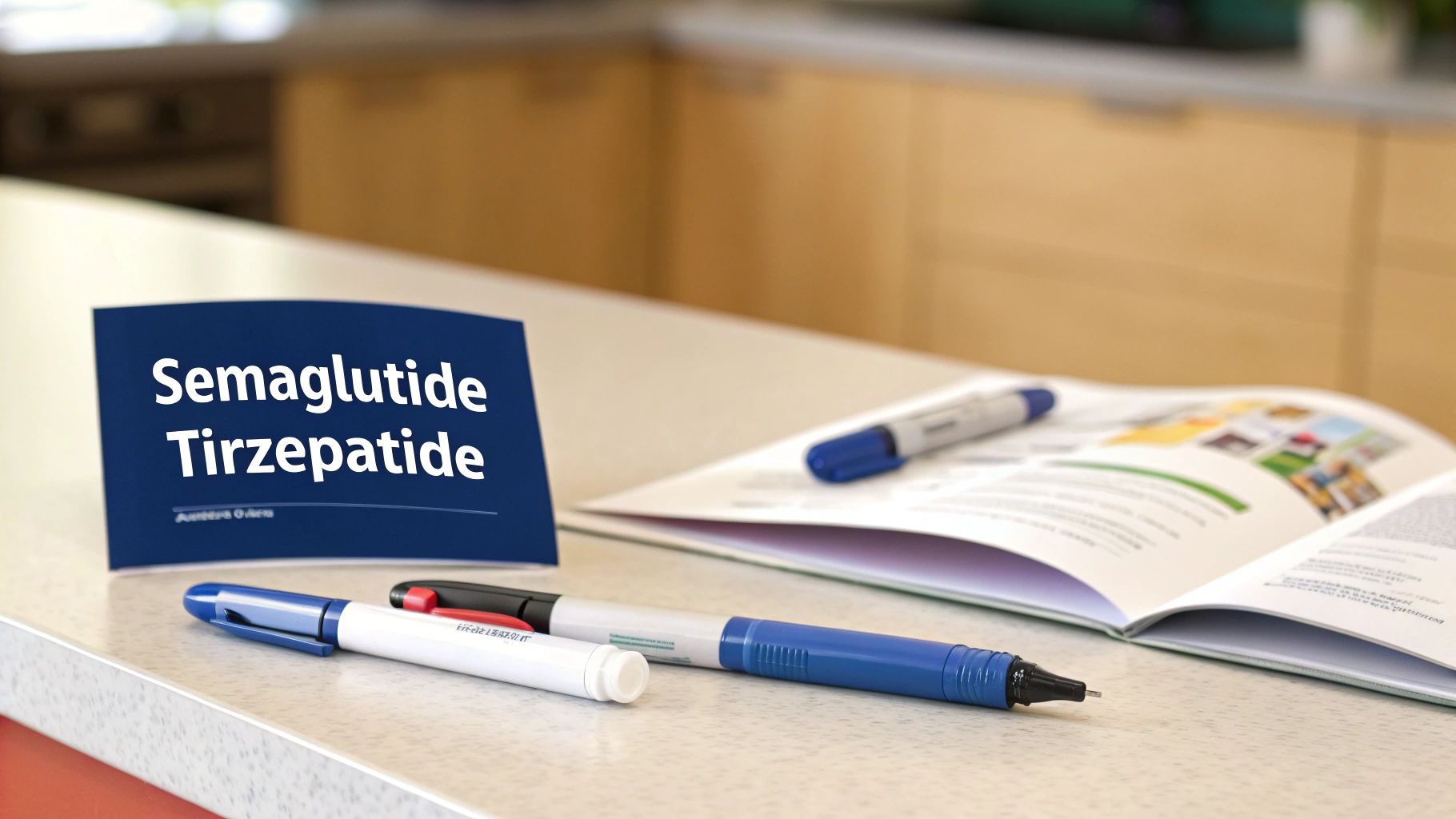
If you’re on semaglutide, you already know how a GLP-1 (glucagon-like peptide-1) therapy helps regulate appetite and blood sugar. If you’d like to learn more about compounding options, check out our GLP-1 program for tailored support.
Tirzepatide is also a GLP-1 therapy, but it adds GIP (glucose-dependent insulinotropic polypeptide) activity. Think of it as two metabolic engines working together instead of one.
Why the Dual-Action Mechanism Matters
The GIP component amplifies benefits you may already see on semaglutide:
- Enhanced Appetite Suppression: Stronger fullness signals help curb cravings and support portion control.
- Improved Metabolic Function: Dual pathways make your body more efficient at using energy and managing blood sugar—key for sustainable weight management and metabolic health.
Semaglutide vs Tirzepatide at a Glance
| Feature | Semaglutide | Tirzepatide |
|---|---|---|
| Drug Class | GLP-1 Receptor Agonist | GLP-1/GIP Receptor Agonist (Dual-Action) |
| Mechanism | Targets a single hormone pathway (GLP-1) | Targets two hormone pathways (GLP-1 and GIP) |
| Primary Use | Type 2 diabetes and chronic weight management | Type 2 diabetes and chronic weight management |
| Administration | Weekly subcutaneous injection | Weekly subcutaneous injection |
For a deeper dive, explore our article on the difference between semaglutide and tirzepatide.
Comparing Weight Management Results
In the SURMOUNT-5 trial over 72 weeks, adults on tirzepatide lost an average of 20.2% of their starting body weight—compared to 13.7% on semaglutide. These outcomes not only support weight loss but also long-term metabolic health and longevity.
Semaglutide remains an excellent option, but for some, tirzepatide’s dual-action approach unlocks new progress.
Whether you’re aiming to overcome a plateau or fine-tune your plan, understanding these results empowers you to have an informed discussion with your provider.
How to Talk to Your Doctor About Switching
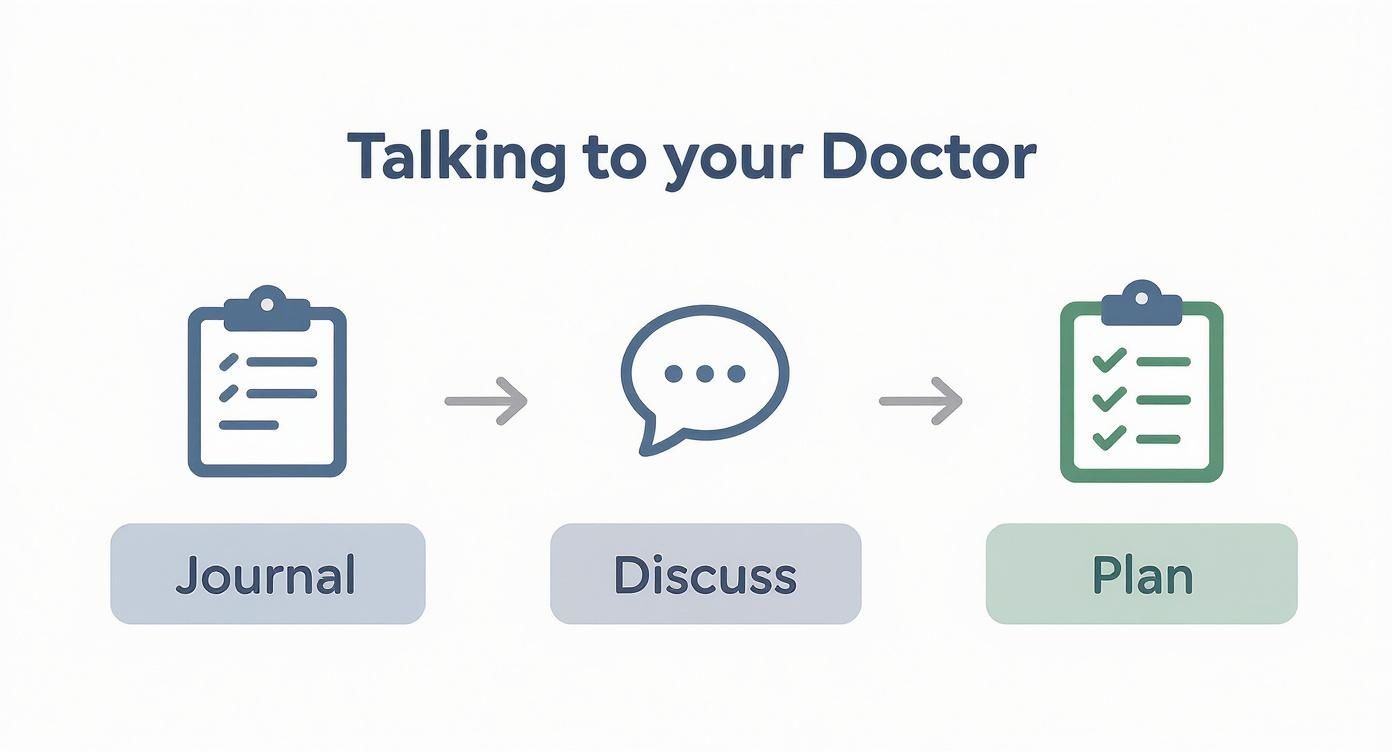
Changing therapies is a team effort—your insights plus your doctor’s expertise lead to the best plan. Here’s how to get the most out of your appointment:
Preparing for Your Appointment
Keep a simple journal for a week or two to turn vague feelings into clear data:
- Weight: Note trends or plateaus.
- Energy Levels: Track daily highs and lows.
- Appetite and Cravings: Record when and what triggers hunger.
- Side Effects: Be specific about frequency and intensity.
- Non-Scale Victories (NSVs): A better-fitting waistband or a stronger walk counts!
You might also discuss supportive compounds like NAD+ to boost cellular energy and support healthy aging.
Key Questions to Ask Your Provider
- Given my history with semaglutide, is tirzepatide a good fit for me?
- What benefits could I expect, and how do they tie into my longevity goals?
- What does the transition plan look like—do I need a “washout period”?
- What starting dose and titration schedule will we use?
- Are there side effects unique to tirzepatide I should watch for?
- How can supportive therapies like NAD+ enhance my energy and metabolic health during the switch?
Being prepared elevates your appointment into a strategic session for sustainable weight management and healthy living.
Ready to explore your options? Our licensed providers at Blue Haven Rx are here to guide you. See if you qualify today.
Your Transition Plan: What to Expect Week by Week
Switching from semaglutide to tirzepatide is a guided adjustment. A short washout period—usually about seven days—prevents overlap and helps manage side effects.
Starting Your Tirzepatide Journey
You’ll typically begin with 2.5 mg once weekly for four weeks. This phase is all about tolerance—expect mild nausea or indigestion as your body acclimates.
Example Titration Schedule
| Month | Weekly Dosage | Purpose |
|---|---|---|
| Month 1 | 2.5 mg | Introduce tirzepatide; focus on side effect management. |
| Month 2 | 5 mg | Boost appetite control and fullness. |
| Month 3+ | 7.5–15 mg | Increase in 2.5 mg increments based on response. |
Patience is key: dose increases only when you’re comfortable.
For more on dosing strategies, see our guide on tirzepatide vs. semaglutide dosage for weight loss.
Dealing With Side Effects During the Switch
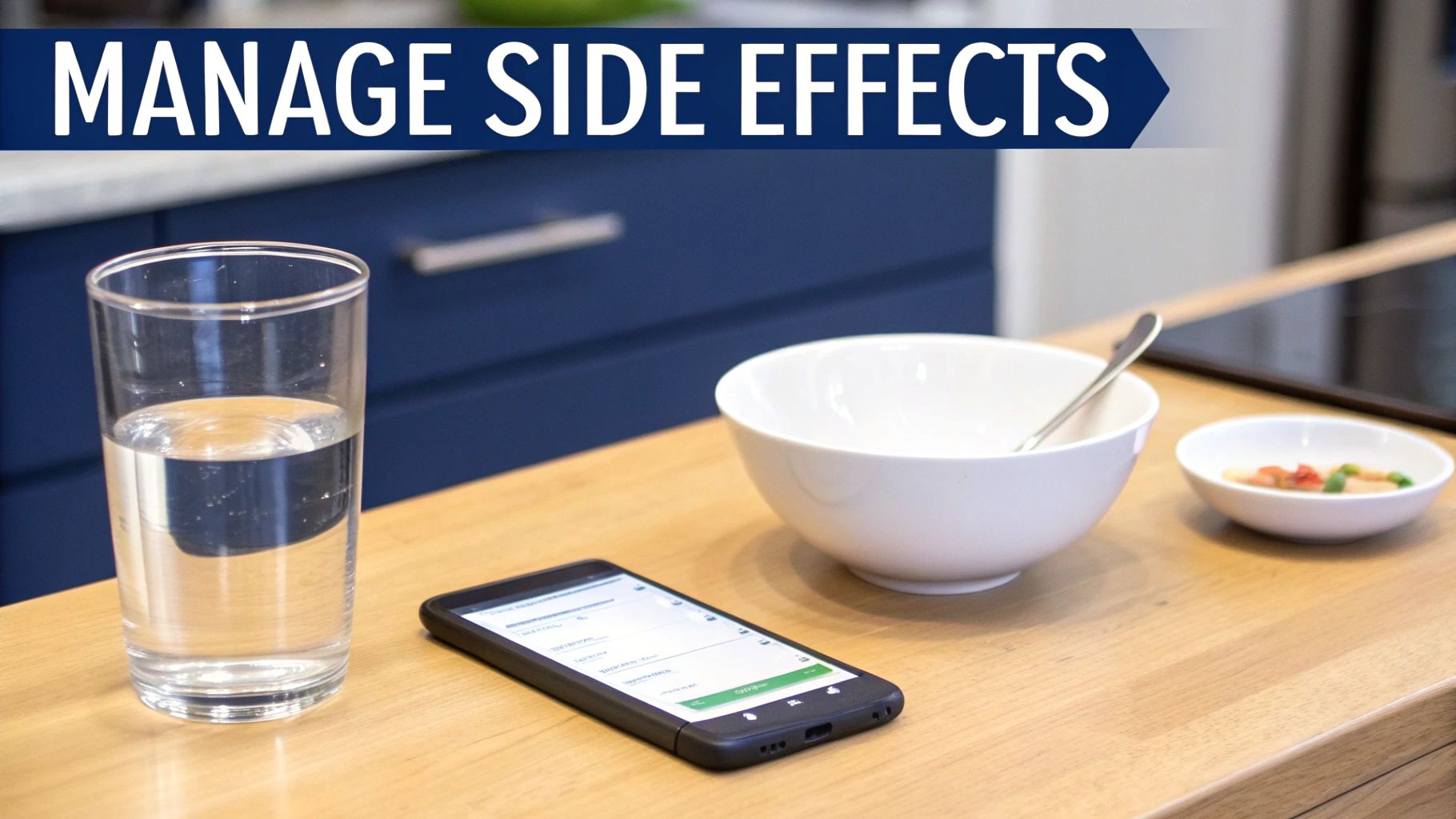
Gastrointestinal issues—nausea, indigestion, diarrhea, or constipation—are common. They usually ease within a few weeks.
Proactive Tips for a Smoother Transition
- Eat smaller, more frequent meals to ease digestion.
- Avoid trigger foods like greasy, fried, or very sugary items.
- Stay hydrated—sip water throughout the day.
- Embrace gentle fiber (oatmeal, apples, carrots) to balance digestion.
- Add light movement—such as a daily stroll—to support digestion and mood.
If fatigue sets in, check out our resource on how GLP-1 medications can affect your energy levels.
Knowing When to Call Your Doctor
Mild side effects are manageable, but these warrant immediate attention:
- Severe abdominal pain, especially if it’s sudden or radiating to your back
- Persistent vomiting, unable to keep liquids down
- Signs of an allergic reaction (hives, facial swelling, difficulty breathing)
- Sudden vision changes or visual disturbances
- Symptoms of low blood sugar (dizziness, shaking, sweating, confusion)
Your team at Blue Haven Rx is always available to help. Take our quiz to see if you qualify for personalized support.
Tracking Your Progress for Long-Term Success
Switching medications is more than a prescription change—it’s an opportunity to build healthy habits that last. Tracking non-scale victories (NSVs) keeps motivation alive when the scale plateaus.
More Than Just Numbers on a Scale
Keep an eye on:
• Boosted Energy: No more afternoon slumps.
• Restful Nights: Falling asleep easily and waking refreshed.
• Clothing Fit: A favorite pair of jeans feels looser.
• Tamed Cravings: Choosing whole foods without feeling deprived.
For deeper insight into blood sugar trends, explore Continuous Glucose Monitoring (CGM).
Your Wellness Journal: A Simple Template
Example Daily Entry:
• Energy Level (1–10): 8 – energized on my walk.
• Mood & Feelings: Stable mood, stress managed well.
• NSV: Reached for a salad instead of chips.
• Provider Notes: No nausea; blood sugar steady.
Regular check-ins help your provider fine-tune your plan in real time—especially when paired with telehealth services like Blue Haven Rx.
Integrating Healthy Habits for the Long Haul
Medication works best alongside balanced nutrition, movement, and stress management. Aim for at least 150 minutes of moderate activity per week—walks, swimming, or cycling all count. Pair your routine with supportive therapies like NAD+ to boost cellular repair.
A holistic approach builds a foundation for lasting healthy living and longevity.
Ready to take the next step? Take our quiz and start your journey toward sustainable weight management and healthy aging.
Learn more about our GLP-1 program and see if you qualify today.