
8 Best GLP-1 Friendly Food Choices for a Healthier You
Starting a weight management journey with a GLP-1 program is a significant step toward better health and longevity. These modern tools work by mimicking a natural hormone that helps manage your appetite and blood sugar, making it easier to achieve your goals. But the program is only one part of the equation; what you eat is just as important for your success.
The right foods can enhance the effects of your program, help minimize common side effects like nausea, and ensure your body gets the vital nutrients it needs for sustained energy and muscle health. This guide focuses on a simple list of GLP-1 friendly food categories that are not just compatible with your journey but will actively support it. We'll explore lean proteins, fiber-rich vegetables, healthy fats, and more, providing practical tips to help you build a sustainable and enjoyable eating plan.
Think of this not as a restrictive diet, but as a roadmap to nourishing your body for lasting results. You'll learn how specific foods can help you feel fuller longer, stabilize your energy levels, and support your overall well-being. Let’s dive into the best foods to incorporate into your meals to maximize your results and feel your best.
1. Lean Proteins (Poultry, Fish, and Lean Meats)
When you begin a GLP-1 program, focusing on nutrient-dense foods is crucial for success, and lean proteins are a cornerstone of this approach. These foods are foundational for anyone looking to manage their weight effectively because they promote a feeling of fullness, or satiety, which is a key benefit enhanced by GLP-1s. Lean proteins help stabilize blood sugar levels, preventing the energy crashes that often lead to unhealthy snacking.
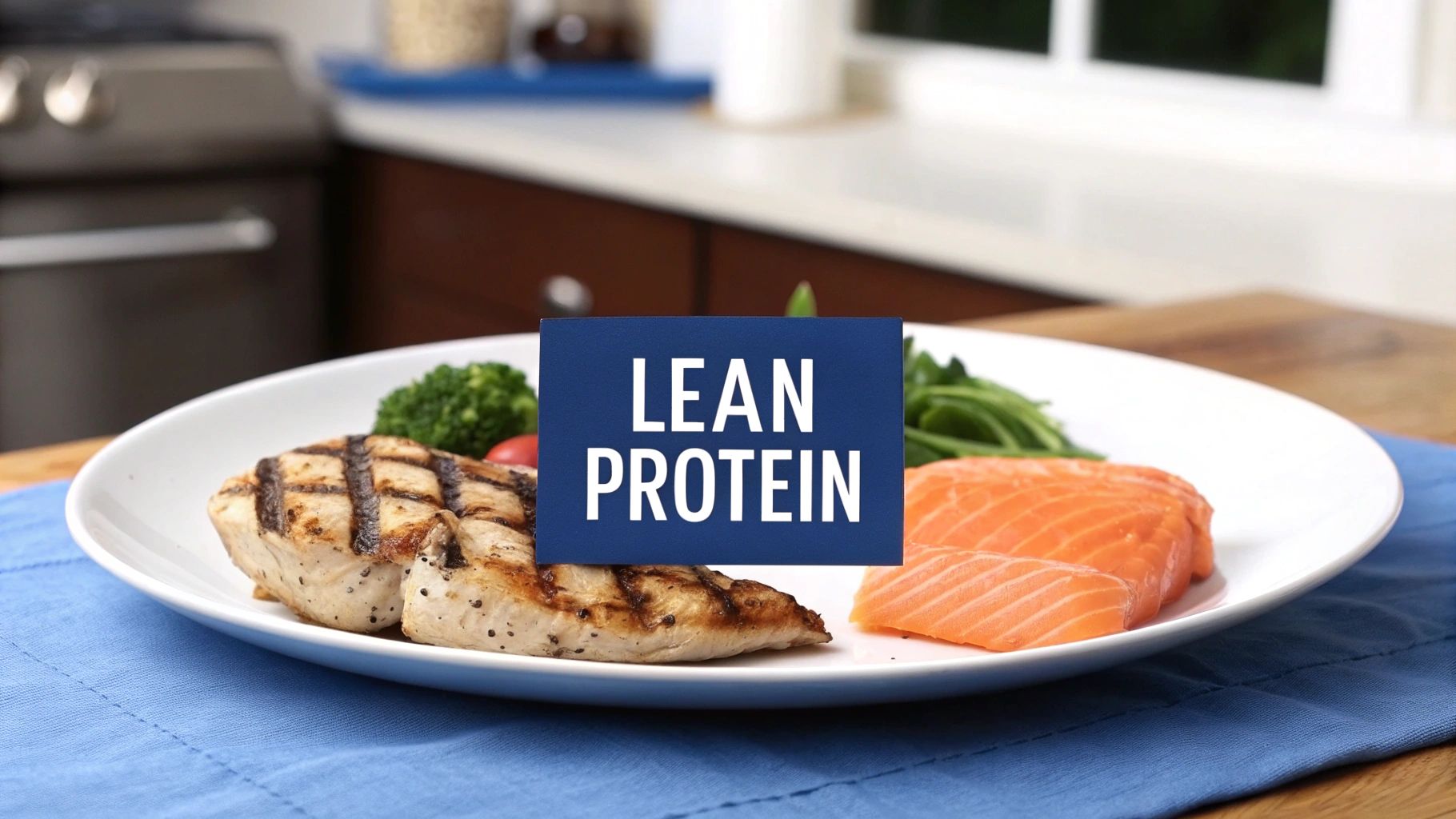
Another vital role of protein is preserving lean muscle mass during weight loss. As you lose weight, it's important to ensure you're primarily losing fat, not muscle. Adequate protein intake supports muscle repair and maintenance, which is essential for a healthy metabolism. Consuming enough protein can be a challenge when your appetite is reduced, but making it a priority in every meal is a powerful strategy for long-term health.
Why It's a Top GLP-1 Friendly Food
Lean protein sources are exceptionally GLP-1 friendly because they deliver high nutritional value without excess calories from fats or carbohydrates. This makes them ideal for the smaller portion sizes you'll likely be eating. Including a consistent source of protein in your diet can also be instrumental if you ever feel your progress has stalled. For more strategies on this, explore these insights on how to overcome a weight loss plateau.
Practical Tips for Lean Proteins
- Choose Quality Sources: Choose options like skinless chicken breast, turkey, wild-caught salmon, cod, and lean cuts of beef such as sirloin or tenderloin.
- Prepare Mindfully: Opt for cooking methods like grilling, baking, air-frying, or poaching to minimize added fats and calories.
- Plan Smaller Portions: Since GLP-1 programs reduce appetite, plan for smaller portions. A serving size of 3-4 ounces (about the size of a deck of cards) is a great starting point.
- Meal Prep for Success: Cook a batch of chicken breasts or fish fillets at the start of the week. Pre-portion them for quick and easy additions to salads, soups, or vegetable-based dishes.
2. Non-Starchy Vegetables
Incorporating non-starchy vegetables into your diet is a powerful strategy when on a GLP-1 program. These vegetables are nutritional powerhouses, packed with vitamins, minerals, and fiber, yet they contain very few calories and carbohydrates. This combination is ideal for promoting feelings of fullness and supporting stable blood sugar. They add volume to your meals, helping you feel satisfied with smaller portions and reducing common side effects like nausea.
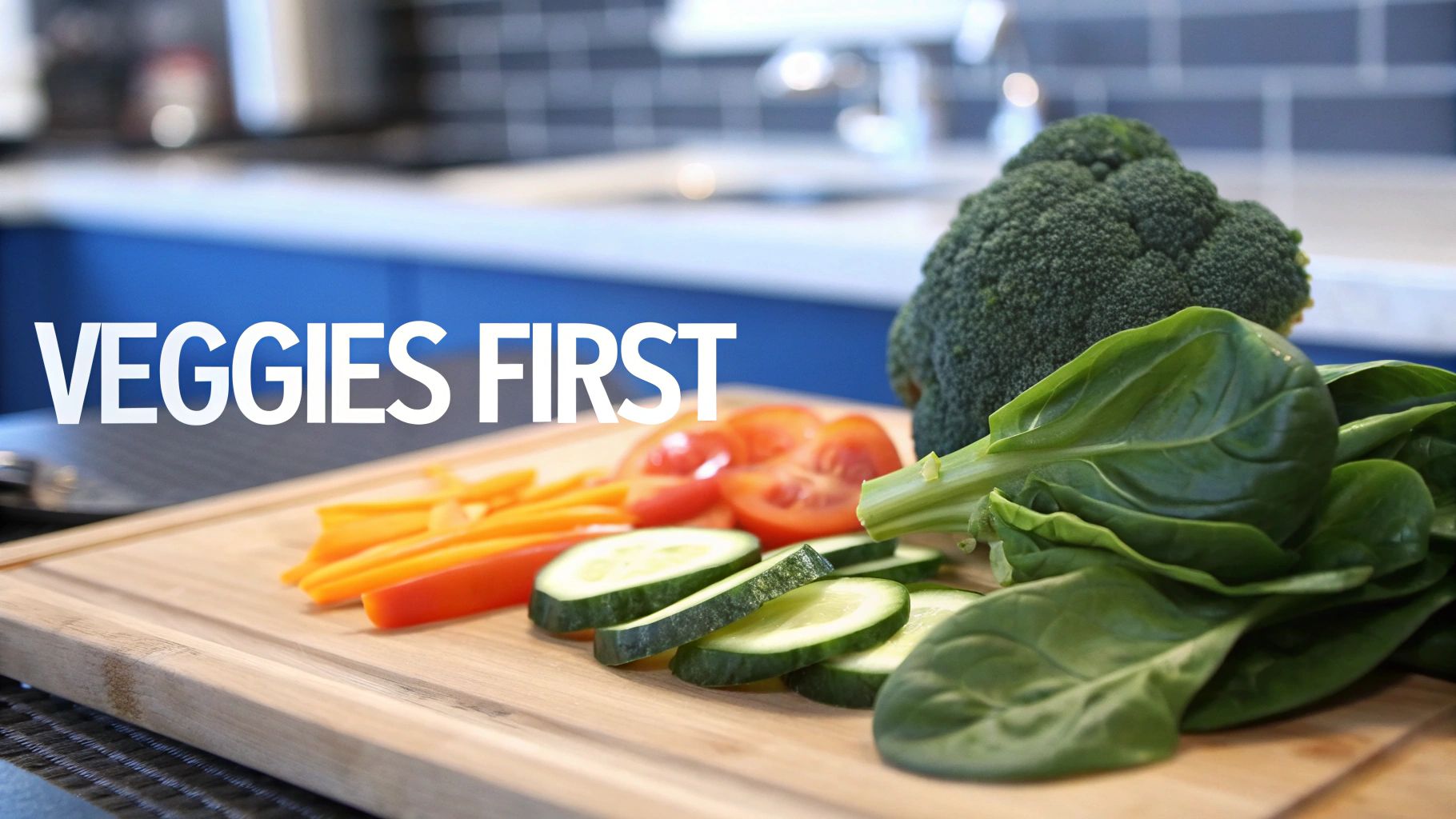
The high fiber content in non-starchy vegetables is also critical for digestive health, which can sometimes be a concern when starting a new health regimen. Fiber helps regulate digestion and feeds beneficial gut bacteria, contributing to overall wellness and a healthy metabolism. By making these vegetables a central part of your meals, you provide your body with essential nutrients needed to thrive during your weight loss journey.
Why It's a Top GLP-1 Friendly Food
Non-starchy vegetables are a quintessential GLP-1 friendly food because they help you meet your nutritional needs without adding a significant calorie load. Their high water and fiber content create a sense of satiety, preventing overeating and making it easier to stay within your calorie goals. Eating vegetables first during a meal is a simple but effective technique to manage your reduced appetite, ensuring you consume nutrient-dense foods before you feel full.
Practical Tips for Non-Starchy Vegetables
- Fill Half Your Plate: Make it a rule to fill at least half of your plate with non-starchy options like spinach, broccoli, cauliflower, zucchini, or bell peppers.
- Start with Cooked Options: If you experience any gastrointestinal sensitivity, start with well-cooked vegetables, as they are often easier to digest than raw ones. Roasting with a little olive oil is an excellent method.
- Embrace Variety: Eat a wide range of colors to ensure you get a diverse array of vitamins and antioxidants. Include cruciferous vegetables like Brussels sprouts and kale a few times a week.
- Convenience is Key: Don't overlook frozen vegetables. They are just as nutritious as fresh ones and offer a convenient, long-lasting option for quick meal preparation.
3. Eggs and Egg-Based Foods
Eggs are a powerhouse of nutrition and a fantastic, affordable option for anyone on a GLP-1 program. Often called nature's multivitamin, they are incredibly satiating due to their high protein and healthy fat content. This helps you feel full longer on smaller portions, which is a key advantage when your appetite is naturally suppressed by your program. Their versatility makes them an easy and delicious addition to any meal of the day.
Beyond just protein, eggs deliver a wealth of essential nutrients that support overall health. They are a great source of choline, which is vital for brain health and metabolism, and contain a complete amino acid profile necessary for muscle maintenance during weight loss. This makes them an exceptionally efficient food choice when every calorie counts, ensuring your body gets the building blocks it needs even with a reduced food intake.
Why It's a Top GLP-1 Friendly Food
Eggs are a perfect GLP-1 friendly food because they are low in carbohydrates and high in quality protein, which helps stabilize blood sugar and prevent energy dips. Their nutrient density ensures you're nourishing your body effectively, which is crucial for sustainable weight management. For those who find certain foods hard to digest, eggs prepared in simple ways like poaching or boiling can be gentle on the stomach while still providing lasting satiety.
Practical Tips for Eggs
- Adjust Portion Sizes: Instead of a large three-egg omelet, try one or two eggs scrambled with spinach and a sprinkle of cheese. This provides ample protein without overwhelming a smaller appetite.
- Pair with Fiber: Combine eggs with non-starchy vegetables like bell peppers, mushrooms, or asparagus to add volume, fiber, and micronutrients to your meal.
- Batch-Prep for Convenience: Prepare a batch of hard-boiled eggs or mini egg muffins (baked with diced veggies) for a quick, protein-packed snack or a simple breakfast on the go.
- Choose Lighter Cooking Methods: Opt for poaching, boiling, or scrambling with a minimal amount of oil or cooking spray. These methods keep added fats and calories low while being easier to digest.
4. Greek Yogurt and High-Protein Dairy
When managing your diet on a GLP-1 program, high-protein dairy options like Greek yogurt and cottage cheese are invaluable. These foods offer a powerful combination of protein and probiotics, which support gut health. This is particularly beneficial as some individuals experience digestive adjustments when starting a GLP-1 program, and a healthy gut microbiome can help ease this transition. The high protein content also promotes significant satiety, helping you feel full and satisfied with smaller portions.
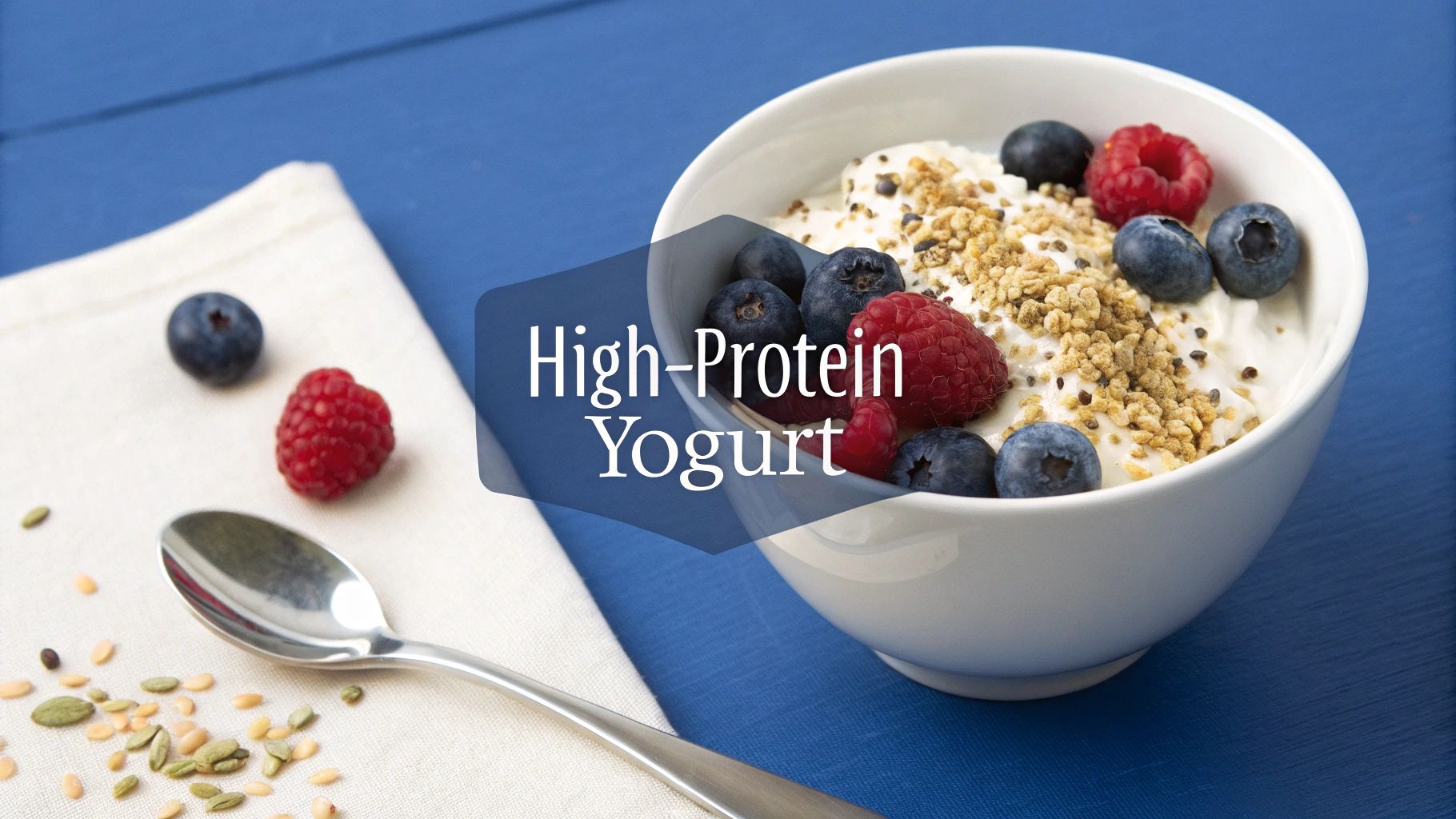
The thick, creamy texture of options like Greek yogurt, skyr (Icelandic yogurt), or cottage cheese can be especially satisfying when your appetite is lower. These foods provide a substantial nutritional boost, delivering essential nutrients like calcium and B vitamins alongside muscle-supporting protein. Their favorable protein-to-carbohydrate ratio also helps maintain stable blood sugar levels, preventing energy dips that can lead to cravings for less healthy snacks. This makes them a smart and strategic choice for any meal or snack.
Why It's a Top GLP-1 Friendly Food
High-protein dairy is an excellent GLP-1 friendly food because it is nutrient-dense and versatile. Its high protein content works synergistically with your program to enhance feelings of fullness, making it easier to manage calorie intake without feeling deprived. Furthermore, the probiotics found in fermented dairy products like yogurt and skyr contribute to a balanced gut, which is a key component of overall metabolic health and can improve digestive comfort during your weight management journey.
Practical Tips for Greek Yogurt and High-Protein Dairy
- Choose Plain Varieties: Opt for plain, unsweetened Greek yogurt, skyr, or cottage cheese. This allows you to control the sugar content and customize the flavor yourself. Aim for products with less than 5 grams of sugar per serving.
- Add Your Own Toppings: Enhance plain yogurt with a handful of berries for fiber and antioxidants, a sprinkle of nuts for healthy fats, or a dash of cinnamon for flavor without added sugar.
- Use as a Smart Substitute: Swap out sour cream or mayonnaise for plain Greek yogurt in dips, dressings, and sauces to increase protein and lower fat content.
- Be Mindful of Portions: A serving size of about one-half to three-quarters of a cup is often sufficient to feel satisfied, especially with a reduced appetite from a GLP-1 program. Pay attention to your body’s fullness cues.
5. Fiber-Rich, Low-Glycemic Whole Grains (In Moderation)
While many people on GLP-1 programs reduce their carbohydrate intake, strategically including small portions of specific whole grains can be highly beneficial. Fiber-rich, low-glycemic grains provide sustained energy without causing sharp spikes in blood sugar, which is crucial for appetite control and overall metabolic health. The high fiber content also aids digestion, a common concern for those on these programs, and contributes to a lasting feeling of fullness.
These complex carbohydrates offer essential nutrients like B vitamins, magnesium, and iron, which support energy production and overall well-being. By choosing the right types and carefully managing portion sizes, you can incorporate them into a balanced diet. This approach helps prevent feelings of deprivation and provides the fuel needed for an active lifestyle, complementing the effects of your GLP-1 journey.
Why It's a Top GLP-1 Friendly Food
Low-glycemic whole grains are a valuable GLP-1 friendly food because their slow-digesting nature supports stable blood glucose levels. This prevents the energy crashes that can trigger cravings for less healthy options. When paired with protein and healthy fats, a small serving can significantly enhance satiety, making it easier to stick to smaller meal sizes without feeling hungry. Incorporating these grains correctly is a key part of sustainable eating habits, which you can explore further in a comprehensive Ozempic meal plan for weight loss.
Practical Tips for Low-Glycemic Grains
- Choose Wisely: Opt for steel-cut oats, quinoa, barley, farro, and brown rice. Avoid refined grains like white bread, instant rice, and sugary cereals.
- Portion Control is Key: Since GLP-1 programs reduce appetite, a small amount goes a long way. Stick to portions of about 1/4 to 1/2 cup cooked per meal.
- Pair for Power: Always combine your whole grain serving with a lean protein and a healthy fat. For example, add quinoa to a chicken salad or top steel-cut oats with nuts and seeds.
- Listen to Your Body: Introduce these foods gradually to see how your digestive system and blood sugar respond. Everyone's tolerance is different, so start small and adjust as needed.
6. Healthy Fats (Avocado, Nuts, Seeds, and Olive Oil)
While the idea of adding fats to your diet during weight loss might seem counterintuitive, healthy fats are an essential component of a successful GLP-1 journey. Unlike unhealthy trans and saturated fats, monounsaturated and polyunsaturated fats play a vital role in hormone production, nutrient absorption, and reducing inflammation. They are also incredibly satiating, which helps you feel full and satisfied even with the smaller meals common on GLP-1 programs.
Healthy fats contribute to heart health by helping to lower bad cholesterol levels (LDL) and raise good cholesterol levels (HDL). Because they are calorie-dense, mindful portion control is key. However, incorporating these fats into your meals makes them more satisfying and helps your body absorb fat-soluble vitamins like A, D, E, and K, which are crucial for overall well-being. This makes them a powerhouse GLP-1 friendly food for long-term health.
Why It's a Top GLP-1 Friendly Food
Healthy fats are a top choice because they enhance satiety and slow down digestion, promoting a steady release of energy and stable blood sugar levels. This effect complements the action of GLP-1 programs, helping you manage hunger and cravings effectively. A small serving of avocado or a sprinkle of seeds can transform a simple meal into a more filling and nutritionally complete one. For those looking to understand how these food choices fit into a broader strategy, discover more about the role of diet in the effectiveness of GLP-1s for weight loss.
Practical Tips for Healthy Fats
- Practice Portion Control: Since fats are high in calories, precision is important. Use measuring spoons for oils (1 tablespoon) and a small handful for nuts (about 1 ounce).
- Choose Quality Sources: Opt for avocados, raw or unsalted nuts like almonds and walnuts, and seeds such as chia and flaxseed. To ensure you're incorporating the best healthy fats into your diet, exploring options like high-quality extra virgin olive oil can be beneficial.
- Add, Don't Snack: Integrate healthy fats into your meals rather than eating them alone. Add avocado to your eggs, sprinkle seeds on your yogurt, or dress your salad with olive oil to boost satisfaction.
- Smart Cooking Choices: Use olive oil for low-heat applications like dressings and avocado oil for higher-heat cooking to preserve their nutritional integrity.
7. High-Protein, Low-Sugar Beverages
For individuals on GLP-1 programs, meeting daily protein goals can be a challenge due to a significantly reduced appetite. High-protein, low-sugar beverages offer a convenient and easily digestible solution, providing essential nutrition in liquid form. These drinks can act as a crucial supplement when the thought of solid food is unappealing, ensuring you continue to nourish your body and support your weight management goals.
These beverages are designed to deliver a substantial protein punch without the added sugars that can cause unwanted blood sugar spikes. This makes them an excellent tool for preserving lean muscle mass during weight loss and promoting satiety between meals. Sipping on a protein shake can help curb cravings and provide steady energy, making it a smart and strategic GLP-1 friendly food choice for busy days or when you're experiencing appetite fatigue.
Why It's a Top GLP-1 Friendly Food
High-protein, low-sugar beverages are exceptionally GLP-1 friendly because they are perfectly portioned and easy to consume slowly. This helps prevent the feelings of being overly full or nauseous that can sometimes accompany larger, solid meals. Their liquid nature makes them gentle on the digestive system, which can be particularly beneficial for those adjusting to their program. For guidance on timing your medication to manage side effects like these, you can explore strategies for finding the best time of day to take semaglutide.
Practical Tips for High-Protein, Low-Sugar Beverages
- Read the Label: Opt for drinks with less than 5 grams of added sugar per serving. Look for high-quality protein sources like whey, casein, or plant-based blends.
- Sip Slowly: Instead of drinking it all at once, sip your protein beverage over 20-30 minutes. This aids digestion and improves tolerance.
- Temperature Matters: Many people find that cold beverages are more soothing and easier to tolerate. Try chilling your shake or blending it with a few ice cubes.
- Use as a Supplement: While convenient, these drinks should primarily supplement your whole-foods diet rather than replace meals long-term. They are perfect for bridging nutritional gaps.
- Make Your Own: Blend plain Greek yogurt or a scoop of protein powder with berries, spinach, and a splash of unsweetened almond milk for a nutrient-packed homemade option.
8. Bone Broth and Collagen Peptides
When managing a reduced appetite on a GLP-1 program, finding easily digestible sources of protein and nutrients is essential. Bone broth and collagen peptides offer a unique solution, providing bioavailable protein and beneficial amino acids like glycine and proline. These compounds are particularly valuable as they support gut health, joint integrity, and skin elasticity—areas that benefit from extra nutritional attention during weight loss.
Bone broth is a comforting and hydrating option that can be sipped on its own or used as a base for soups and stews. Collagen peptides, on the other hand, are a flavorless powder that dissolves easily in liquids, making them a seamless addition to your morning coffee, tea, or smoothie. Both are excellent ways to boost your protein intake without feeling overly full, making them an ideal GLP-1 friendly food.
Why It's a Top GLP-1 Friendly Food
Bone broth and collagen stand out because they are gentle on the digestive system and packed with benefits that go beyond simple protein content. The amino acids they provide support the gut lining, which is crucial for overall wellness. For those on a weight loss journey, preserving joint health and skin tone is also a priority, and the building blocks found in collagen contribute directly to these goals. This makes them a strategic choice for filling nutritional gaps that can arise from a lower calorie intake.
Practical Tips for Bone Broth and Collagen
- Choose High-Quality Products: Look for bone broth with minimal sodium and no unnecessary additives. For collagen, select brands that offer pure, unflavored peptides.
- Start Your Day with a Boost: Mix a scoop of collagen peptides into your morning coffee or smoothie. It dissolves easily and won't alter the taste, providing a simple protein lift.
- Sip for Comfort: Enjoy a warm mug of bone broth in the afternoon or evening. It’s a soothing, low-calorie way to stay hydrated and curb cravings.
- Make It Homemade: For a cost-effective and nutrient-dense option, consider making your own bone broth at home using chicken or beef bones. This gives you complete control over the ingredients.
- Be Consistent: Aim for one to two servings daily to experience the potential benefits for your gut, joints, and skin.
8-Item GLP-1 Friendly Foods Comparison
| Item | Implementation complexity | Resource requirements | Expected outcomes | Ideal use cases | Key advantages | Primary drawbacks |
|---|---|---|---|---|---|---|
| Lean Proteins (Poultry, Fish, Lean Meats) | Moderate — requires cooking and portioning | Moderate — refrigeration, quality cuts (cost variable) | Increased satiety, muscle preservation, stable blood glucose | Main meals, post-exercise, when appetite reduced | High protein density, versatile, nutrient-rich | Potential GI discomfort, cost for premium options, portion control needed |
| Non-Starchy Vegetables | Low — simple prep/cooking but some chopping | Low — fresh or frozen, minimal equipment | Increased meal volume, fiber intake, improved micronutrient status | Side dishes, bulking meals for satiety, GI tolerance management | Very low calorie, high fiber and micronutrients | May cause bloating/GI distress, prep time |
| Eggs and Egg-Based Foods | Low — quick, simple cooking | Low — affordable, minimal storage needs | High satiety per calorie, nutrient-dense (choline, lutein) | Quick breakfasts, portable meals, small appetite windows | Complete protein, inexpensive, versatile | Allergy risk, cholesterol concerns for some, nausea if overconsumed |
| Greek Yogurt & High-Protein Dairy | Low — ready-to-eat or light prep | Moderate — refrigeration, higher cost than regular dairy | Improved satiety, gut microbiome support, muscle maintenance | Snacks, post-meal supplement, when digestion altered | High protein, probiotics, calcium-rich | Added sugars in flavored products, lactose sensitivity, possible bloating |
| Fiber-Rich, Low-Glycemic Whole Grains (Moderation) | Moderate — cooking and strict portion control | Moderate — cooking time, storage, cost varies | Sustained energy, improved digestion, micronutrient supply | Small portions with protein for steady energy | High fiber, B vitamins, steady glucose when portioned | Easy to overconsume calories, can cause GI upset if introduced quickly |
| Healthy Fats (Avocado, Nuts, Seeds, Olive Oil) | Low — simple measuring and incorporation | Low–moderate — cost varies, minimal prep | Enhanced satiety, nutrient absorption, improved lipid profile | Add-ins to meals for satiety and absorption | Heart- and brain-supporting fats, fat-soluble vitamin absorption | Very calorie-dense, easy to overeat, may trigger nausea if large portions |
| High-Protein, Low-Sugar Beverages | Low — ready-to-drink or simple blending | Moderate — cost, storage; brand-dependent | Efficient protein delivery, preserved muscle mass, stable glucose | When solids are intolerable, quick supplements, travel | Convenient, high protein per serving, portable | Often contain additives/artificial sweeteners, low fiber, costly long-term |
| Bone Broth & Collagen Peptides | Low to high — ready-made easy, homemade time-intensive | Low–moderate — purchase or long-simmer ingredients | Gut and joint support, low-calorie amino acids, collagen support | Sipping between meals, supplementing protein, gut support | Gelatin/collagen amino acids, low-calorie, easily digestible | Variable product quality, high sodium in some brands, taste and cost issues |
Bringing It All Together for Your Health Journey
Embracing a diet rich in GLP-1 friendly food is a transformative step toward sustainable weight management and enhanced overall vitality. As we've explored, this journey isn't about restrictive dieting or eliminating entire food groups. Instead, it's a strategic and empowering approach to nourishing your body, managing appetite, and stabilizing blood sugar levels—all of which are crucial for long-term health and healthy living.
Key Takeaways for a GLP-1 Optimized Lifestyle
The core principle is simple: prioritize nutrient density. By consistently building your meals around the pillars we've discussed, you create a powerful synergy that supports your body's natural processes on your path to wellness.
- Protein is Your Anchor: Lean proteins like chicken, fish, and eggs are the foundation of satiety. They help preserve muscle mass during weight loss and keep you feeling full and satisfied, reducing the urge to snack.
- Fiber is Your Friend: Non-starchy vegetables and moderate portions of low-glycemic whole grains provide essential fiber. This not only aids digestion but also slows down glucose absorption, preventing the energy spikes and crashes that can derail your progress.
- Healthy Fats are Essential: Incorporating sources like avocado, nuts, and olive oil is vital for hormone production and nutrient absorption. These fats contribute to a feeling of fullness and support brain health, making them a non-negotiable part of a balanced plate.
Making It a Sustainable Practice
The goal is to build lasting habits, not to chase perfection. Start small. This week, you might focus on swapping your usual afternoon snack for a hard-boiled egg or a handful of almonds. Next week, you could try adding a side of steamed broccoli or spinach to your dinner each night. Listening to your body’s hunger and fullness cues is just as important as the food you choose.
Another practical step involves being mindful of how you store these healthy foods. Ensuring your meal prep containers are safe and non-toxic is a simple yet often overlooked aspect of a wellness-focused lifestyle. To help you make informed choices, you can learn more by understanding BPA-free plastics and why they are a better option for your health journey.
This approach of making incremental, thoughtful changes is what builds momentum and leads to profound, lasting results. You are not just changing your diet; you are cultivating a new relationship with food—one based on nourishment, respect for your body, and a commitment to a healthier, more vibrant future.
Ready to pair your nutritional efforts with a comprehensive, medically-supported program? At Blue Haven Rx, we provide personalized guidance and solutions to help you achieve your weight management and longevity goals. Explore our programs to discover how we can create a tailored plan that works for you.